
CONTRIBUTIONS
SOME CONTRIBUTIONS TO ENGINEERING RESEARCH & DEVELOPMENT IN SRI LANKA
- Engineering Research and Development was virtually non-existent during the colonial rule in the country. This activity was deliberately discouraged during this period as it would have been detrimental to the interests of the colonial power Everything that was required in the way of materials and equipment had to be imported from manufacturers in the United Kingdom. No industrial development took place other than the production of tea, rubber, and coconut, which were exported to be processed abroad.
- Under these conditions there was no scope at all for Engineering research and development till independence in 1948. Thereafter the priority given for the development projects that were carried out provided opportunities for research and development.

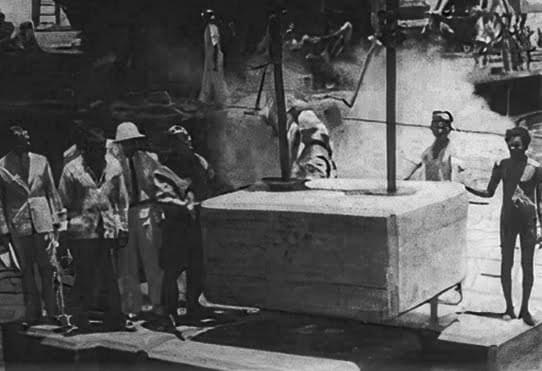
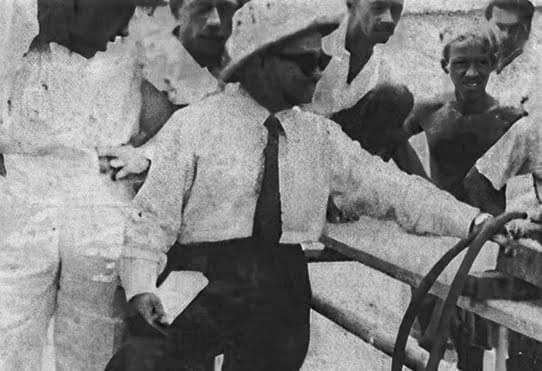
Sir John Kotalawala laying the first block for the Colombo Port Development Project. Constructors CITRA of France.
- It has to be mentioned here that there was a certain amount of development work in the irrigation sector even before independence, which resulted in a significant amount of research being carried out at the Research Division of the Irrigation Department. This was possible due to the fact that this research did not result in any competition with the industries in the country of the colonial power a further reason was the important position given to irrigation projects, which were started for increased food production, especially combined with the agricultural colonisation schemes that were started in the North Central Province.
- After world war two there were small ‘post-war development projects’ started in the port of Colombo but major development work started only after Independence. The proposed Port Development Project had been held up by powerful vested interests that operated the lighterage services. The main Port Development Project was entrusted to foreign consultants and foreign contractors hut the minor projects were handled by the Harbour Engineer’s Department of the Colombo Port Commission. These consisted of the reconstruction of jetties and warehouses, which gave the opportunity for carrying out research and development to find solutions to some constructional problems that were faced at that time. The fact that all this development work was carried out using direct labour by the Port Commission enabled R & D to be carried out as part of the development programme without special funding for this purpose. The existence of excellent workshop facilities in the Port Commission enabled the fabrication of machinery, equipment and structures required for carrying out the R & D work. The very sympathetic and helpful attitude of the senior Engineers of the Harbour Engineer’s Department of the Port Commission enabled the young Engineers to carry out the R & D work leading to successful results.
- The Engineering Faculty of the Ceylon University had not been properly established at this time. There were no R & D facilities in the field of Engineering except in the Irrigation Department, which confined its research to hydraulic problems associated with irrigation.
- It can be claimed, therefore, that Engineering R & D in the country started with the work carried out by the Harbour Engineers Department of the Colombo Port Commission starting in 1948. This work, which started with an effort to find solutions to certain Civil Engineering problems, was expanded later into the fields of Mechanical and Electrical Engineering.
- The establishment of the State Engineering Corporation in January 1962 provided further opportunities for Engineering R & D. The programme for industrial development in the sixties involved the construction of a number of large factories involving Civil, Mechanical and Electrical Engineering work, which enabled R & D work to be carried out in these areas. A R & D division, with workshop and testing facilities was set-up for this purpose in the early sixties at the State Engineering Corporation. A considerable amount of R & D work was carried out during the period 1962 to 1971. This came to a stop with the Author’s departure to Malaysia and Singapore in 1971.
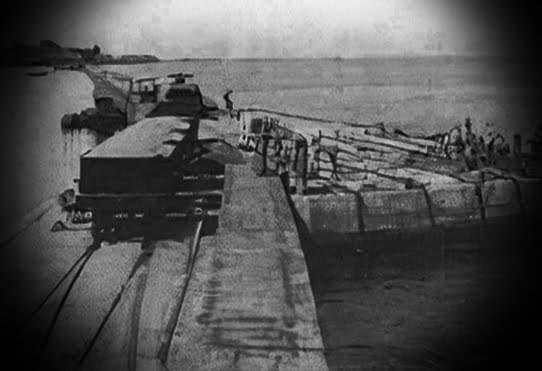
Slice course blocks were used for quays and jetties.
- The National Engineering Research and Development Centre (NERD Centre) was set up in 1974 as a result of a proposal made in 1970, but it had not been possible to carry out much work during the period up to 1978 as the emphasis had been to sponsor R & D as there were no facilities to carry out this work at the Centre itself. The Author assumed duties as Chairman of NERD Centre in September 1977 and convinced the Hon. Minister Mr Cyril Mathew of the necessity of setting up facilities to carry out R & D at the Centre itself. As a result, laboratories and workshops were established at its present premises at Ekala Industrial Estate on a nine-acre land allocated for this purpose. The facilities were expanded rapidly and large amount of R & D work was carried out in the field of materials, construction and the utilization of renewable energy resources.
- The above is a short history of the R & D work carried out in the field of Engineering outside the work carried out in later years at the Universities of Peradeniya and Moratuwa and a small amount carried out at the CISIR where a much wider programme, including other fields of Science and Technology, was covered.
- The National Building Research Organization was set-up about fifteen years ago but its contribution to Building Research, which comes under Engineering Research, was limited due to it resources being diverted to consultancy and testing services.
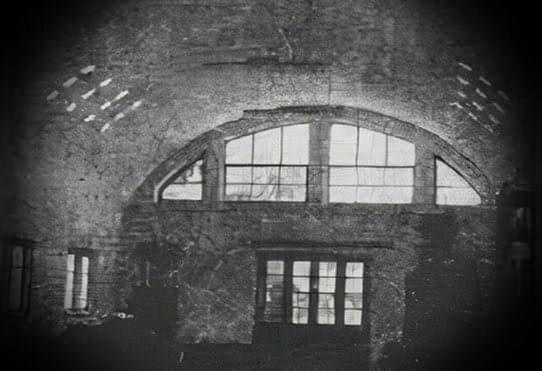
Interior view of the Structures Laboratory in the CPC. The Ceylon drical shell roof 50 ft span by 20 feet wide constructed using precast components was the first shell structure built in this country, in 1954.
- While acknowledging the large amount of Research work in Engineering carried out at the Universities in recent years, the Author will deal with the pioneering work done in the institutions with which he was associated, namely the Harbour Engineers Department of the Colombo Port Commission, the State Engineering Corporation and the National Engineering Research and Development Centre. In addition, the R & D work carried out in his own R & D facility at Batagama Estate, Ja-ela, will also be included. This limitation was adopted due to the difficulties of collection of the vast amount of information available in the Universities, within the short time available for preparing this presentation. The other reason is that the Author has detailed information on the work carried out at the institutions mentioned above as he was personally involved.
RESEARCH AND DEVELOPMENT CARRIED OUT BY THE HARBOUR ENGINEER'S DEPARTMENT OF THE COLOMBO PORT COMMISSION
There were a number of problems connected with the Colombo Port, which required investigation. They were,
- The deterioration of Reinforced Concrete Maritime Structures due to corrosion.
- The problems that arose in the construction of sub-structures of jetties.
- Finding an alternative to structural steel work in the construction of warehouses due to the high rate of corrosion of steel in the salt-laden atmosphere.
- Finding an easier and cheaper form of construction as an alternative to the massive block work used in the construction of quay walls.
- Development of an alternative to heavy “pell-mell” blocks for protection of break waters and revetments and the construction of groynes for coast protection.
- The development of technology for the use of thin concrete shells for the roofs of Port structures.
- Concrete Roads.
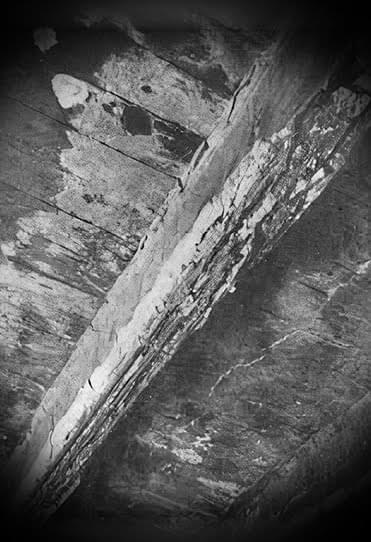
Concrete Jetty deck beam showing corrosion of reinforcement and spalling of concrete.
01. The deterioration of reinforced concrete maritime structures due to corrosion of reinforcing steel by the salt laden atmosphere.
- There was a large number of coaling jetties constructed in reinforced concrete where the deck reinforcement had undergone serious corrosion. Investigations revealed that the concrete cover to the slab reinforcement had deteriorated due to sulphate attack resulting in heavy corrosion of the reinforcing steel. The deck slabs had to be removed and replaced as a permanent measure although, as a temporary measure replacement of the corroded steel and “guniting” a protective layer of cement sand mixture was carried out. However, a more permanent solution had to be found.
- It was known at this time that the possibility of obtaining crack-free conditions in a beam or slab could be maintained by the use of pre-stressed concrete. This technology was not well-known at this time (1949) and the expertise was in the hands of only a few people in some countries of Europe. Hence a considerable amount of R&D work had to be carried out before this technology could be applied to the problem at hand.
- Selecting suitable high-tensile wire for prestressing was necessary as no wire was being manufactured for this purpose at that time. “Piano Wire” which was being produced for use in pianos was found to be suitable and this was used till such time that high tensile wire produced for this purpose was available, which was many years later.
- Selection of suitable size of aggregate, mix design to give the high strengths required and the method of compaction of the relatively dry mixes had to be developed. Special equipment for tensioning wires and vibrating equipment for the compaction of low-work ability concrete had to be developed as such equipment was not available in the market.
- There was very little information available regarding composite prestressed concrete design and construction, which was the method of construction adopted for the deck slabs of the jetties. Various designs were tested to get reliable data on the behavior of such composite structures before this method was adopted. Such information was not available in the technical literature at that time.
- The final design adopted consisted of pretensioned inverted T beams of 20 ft. span laid side by side with a reinforcing mesh and in situ concrete laid on them. The shallow depth of the “in situ” concrete, which had a low water content, required a new method of compaction to be used. A small vibrating roller was used for this purpose with successful results. This perhaps, is the first example of roller compacted concrete, which is now used widely and known as “Rollcrete”.
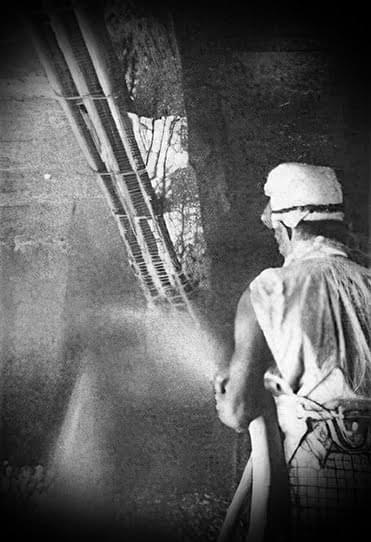
“Gunniting” of deck beam after replacement of corroded rein forcement.
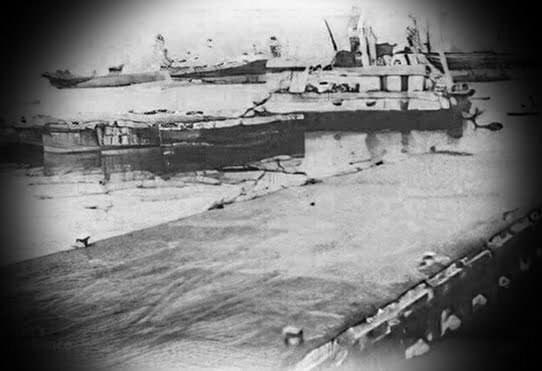
Restored Pettah jetty No. 3 where roller-compacted concrete was used. Which is now widely used can know as “rollcrete”
- The crack-free condition maintained in the soffit of the prestressed deck beams resulted in greater resistance to sulphate attack.
- With the experience of the manufacture of the prestressed concrete deck beams, this technology was extended to the manufacture of prestressed concrete transmission line poles and concrete railway sleepers as well. The transmission line poles became very popular and they are now being produced in large numbers.
02. Problems that arose in the construction of sub-structures of jetties and dolphins.
The jetties that had been constructed in the Colombo Port up to the forties had 6ft. diameter cylinders sunk into the seabed as the sub-structure. When new jetties were required, the same method of construction was adopted. This consisted of cylindrical rings of 6ft outer diameter, 4ft inner diameter and 12 inches thick with interlocking joggles on the top and bottom faces, which were stacked one on top of the other to form a cylinder of the required depth. They were sunk into the sea bed by grabbing out the soil from inside the cylinder. The bottom cylindrical ring had a cast iron cutting edge cast into it. Kentledge in the form of concrete rings was placed on the cylinder to make it sink into the sea bed. After the sinking was completed, the inside of the cylinder was concreted to form a solid cylinder.
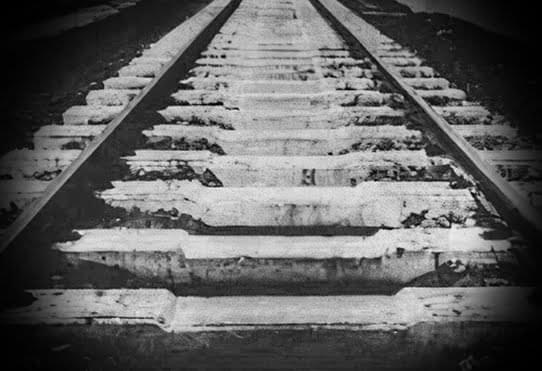
Prestressed concrete sleepers manufactured in 1949 and used in CPC railway; and on a trial section on CGR in 1950.
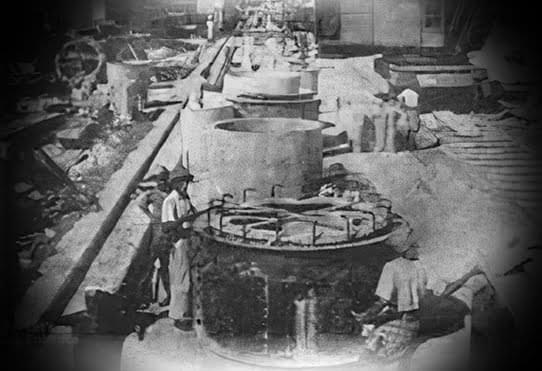
Concrete cylinders 6ft. diameter, and 4 feet high, with 4 inch thick walls being cast
The following difficulties were faced in this method of construction.
- The cylinder was unstable since the concrete rings were held together entirely by gravity.
- During the core concreting of the cylinder, leakage of concrete occurred through the joints between the cylinders.
- Bending strength of the cylinder was provided only by the necessarily unreinforced concrete core, placed under water.
- The construction process was slow.
- It was necessary to overcome these difficulties as a number of these jetties and dolphins were required for the post war development projects. A detailed study of these problems enabled a completely new system of construction to be developed. The newly acquired experience in prestressed concrete construction also helped in finding the novel solution.
- The cylinders used were thin-walled (4 inches thick) cast in sections 4ft. long and joined together to form a cylinder of the required length to suit the depth of water.
- The prestressing tendons, which were passed through ducts, in the walls of the cylinder sections, consisted of 5/8 inch diameter Macalloy’ bars initially and extendable four wire cables of the “Kulasinghe – CPC” system after it was developed. The cylinders were assembled ashore, which presented the problem of transporting these 6 ft diameters and twenty to thirty feet long cylinders to the construction site of the jetty. This was solved by closing their ends with temporary steel bulk heads and floating them to the site, using a small motor launch for towing them.
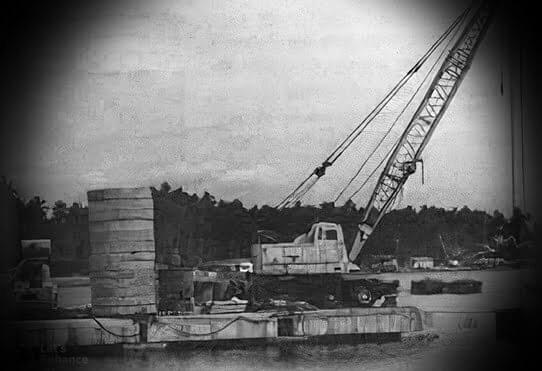
6ft. diameter prestressed concrete cylinder shell being sunk – grabbing of inside in progress.
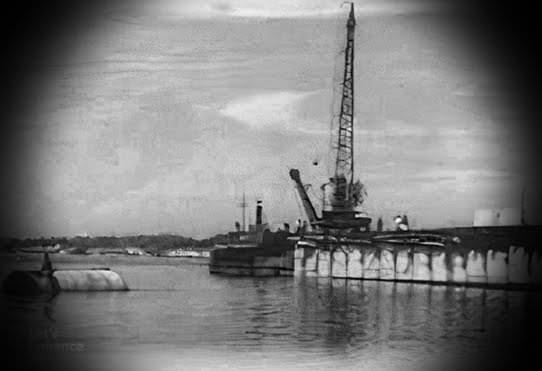
40 ft long 6ft diameter cylinder shell being floated to the site for construction of quay wall.
- The horizontally floating cylinder was brought in to the vertical position using a small floating crane and positioned over the site where it was to be sunk. Compressed air was admitted to the cylinder to balance the water pressure outside and the bottom bulk head was removed. The cylinder was then accurately positioned vertically, the compressed air was cut off and a large valve fixed to the upper bulkhead was opened fast to release the air inside. This resulted in the cylinder dropping onto the bed penetrating it a short distance. The length of the cylinder was such that when it rested on the bed, the top was about four feet above the water level. The upper bulk head was then removed and the cylinder extended by adding on two or three, four feet long sections stressed on to the lower section by means of prestressing cables coupled to the lower ones.
- The soil inside the cylinder was grabbed out resulting in it sinking into the sea bed assisted by kentledge in the form of heavy concrete rings, placed on top of the cylinder. The sinking was continued till the top of the cylinder was two feet above water level. The kentledge was then removed, the cylinder extended, the kentledge replaced and the sinking proceeded, till the required depth of penetration or the correct soil stratum was reached. The bottom of the cylinder was cleaned and an under water plug of concrete was placed. The water in the cylinder was then pumped out, after the plug had hardened. The space inside was filled with sand fill with a concrete plug on top, or filled with mass concrete or reinforced concrete, depending on the vertical and horizontal loads imposed on it.
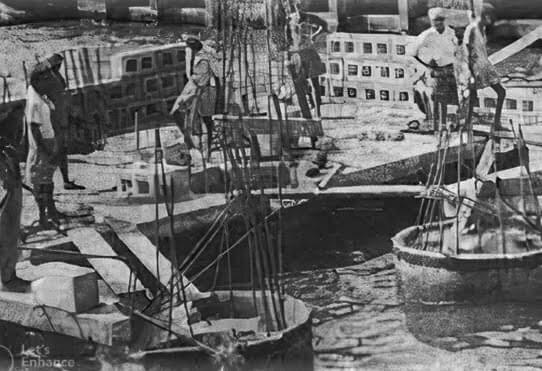
Construction of dolphins using prestressed concrete cylinders for the sub-structure.
A special post-tensioning jack incorporating some novel features was developed for this system, which Was patented in 1956 as the Kulasinghe- CPC system.
- A large number of jetties and mooring dolphins with water depths up to 3Oft. were built in the Colombo Port using this system of construction. Deep water quays, including the quay at Galle Harbour, were also built by sinking the cylinders one against the other along the quay providing depth of water alongside up to 30ft. Another innovative feature introduced in to this system of substructure construction was the use of an air lift pump to remove the soil from inside the cylinder, the material being excavated by a percussion cutter with water jets, fitted to the lower end of the pipe of the air lift pump. This feature enabled cylinder sinking to be carried out very much faster than when using a grab for excavation.
- his system of cylinder sinking was later used for the foundations of multi storeyed buildings ashore, examples being the Labour Secretariat building in Narahenpita and the State Engineering Corporation building in W A D Ramanayake Mawatha.
- Apart from the four feet and six feet diameter cylinders, smaller diameter hollow concrete piles of 18 inches in diameter were developed and used for the foundation of a number of large buildings in Colombo. A further development was the manufacture of a fifteen-ton pneumatic hammer with a 5 feet 4 inches diameter opening in the centre for sinking the large cylinders without the use of kentledge. This was designed and fabricated at the workshops of the Colombo Port Commission. A two and a half ton pneumatic hammer with an opening of 12 inches diameter was built for driving the 18 inches diameter hollow prestressed concrete piles which were also constructed by joining 4 feet long sections together.
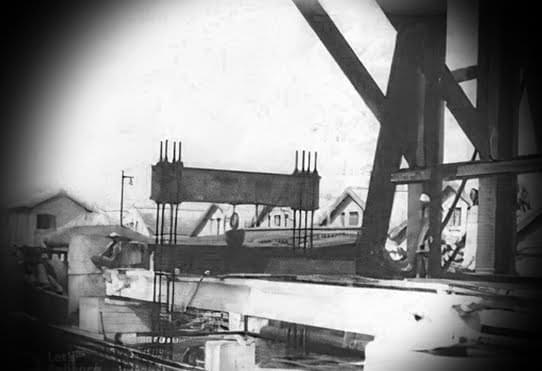
Full scale load tests had to be carried out on bridge beams before they were used in the actual structure
FINDING A REPLACEMENT FOR STRUCTURAL STEEL WORK IN PORT STRUCTURES: THE "KULASINGHE - CPC" SYSTEM OF PRESTRESSING
- Most of the roofs of warehouses, workshops and similar structures in the Port of Colombo had been, built of structural steel except the very old ones, which were built in timber. The steelwork was subject to corrosion with increased maintenance costs. All the steel had to be imported at a high cost. There was, therefore, an urgent need to find an alternative in view of the post-war development works planned, which included large span warehouses and bridges.
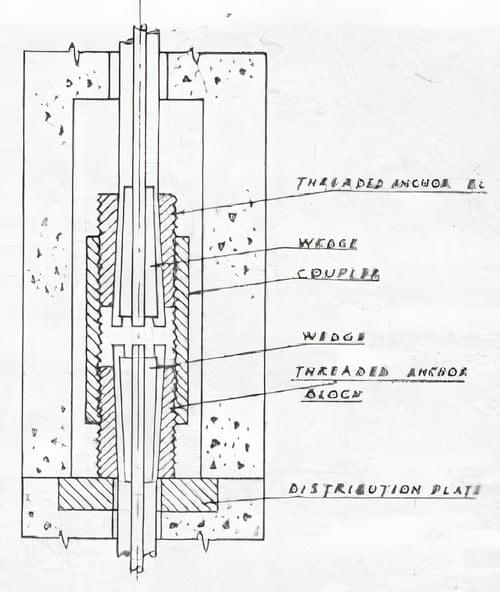
DETAIL OF COUPLING
SCALE – HALF FULL SIZE
A Jour wire anchorage was also developed in which all four wires were anchored by a single wedge in a cylindrical anchor block. This enabled cables to be coupled using a coupler sleeve with internal threads joining two anchor blocks with threads on the outside. These were especially useful in extending cylinders and hollow piles.
- Prestressed concrete was considered the best alternative in view of the possibility of reducing the use of imported material, the increased resistance to corrosion and an overall reduction in cost. By this time (mid fifties) sufficient experience had been gained by the Port Engineers in prestressed pretensioned concrete construction. However, long span structures required the use of post tensioned prestressed concrete beams. Initially, the cables and anchorages were manufactured according to the Magnel – Blaton’ system hut there were several problems associated with the construction of beams by assembling short precast segments, which had to be solved. For some structures, like bridges, where a large number of sections had to be precast, the vacuum process had to be developed to increase the rate of production. Form vibrators and electromagnetic vibrating tables also had to be developed and manufactured for the precasting of heavy sections.
- Full scale load tests had to be carried out on bridge beams before they were used in the actual structure involving the fabrication of testing equipment, which was ma(le possible due to the excellent facilities available at the Port Commission workshops.Even mechanical and acoustic strain ganges were manufactured.Since a large number of structures were planned iii which post-tensioning had to he used, R & D work was started to develop a post-tensioning system as an alternative to the ‘Fressynet” and “Magnel Blaton” systems available in Europe. Several novel features were incorporated iii the system that was developed, the main feature being the anchorage, which was manufactured, entirely in mild steel. ft consisted of a cylindrical block with six tapered holes drilled iii its periphery in which two wires of the cable were anchored in each hole with a mild steel wedge. Thus all twelve wires of the cable were anchored in the anchor block, which rested on a distribution plate to limit the hearing pressure on the concrete. The distribution of wires in a cable cross section was such as to ensure adequate grout space without increasing the diameter of the cable. This was ensured by cup shaped spacer grilles distributed along the cable.
- Two opposite pairs of wires were tensioned and anchored at a time. A four-wire anchorage was also developed in which all four wires were anchored by a single wedge in a cylindrical anchor block. This enabled cables to he coupled using a coupler sleeve with internal threads joining two anchor blocks with threads on the out side. These were especially useful in extending cylinders and hollow piles.
- A special post tensioning hydraulic jack, incorporating some novel features was developed for this system. It was designed to tension four wires at a time and force the wedges into the anchor block with such force as to create plastic flow in the mild steel wedges. The use of plastic flow in metal to anchor the wires was a novel feature of the jack and anchorage. Another unique feature of the jack was the dc-wedging operation, which is the release of the wires from the jack, hydraulically, which was not available in jacks of other systems.
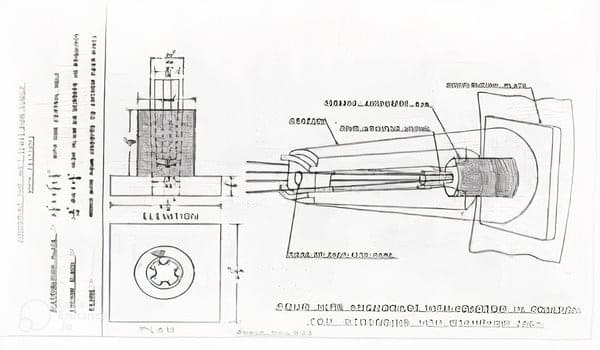
A Four wire anchorage was also developed in which all four wires were anchored by a single wedge in a cylindrical anchor block.
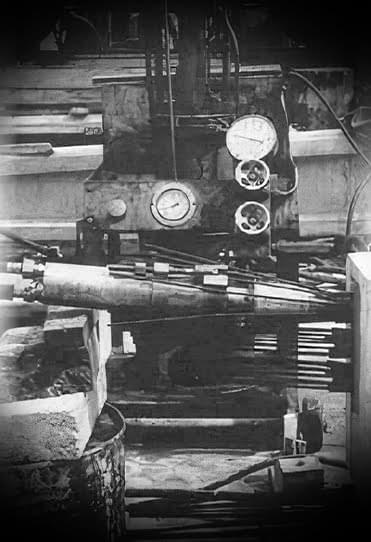
Kulasinghe- CPC post-tensioning jack tensioning a cable
This system of prestressing, which was patented in 1956 and known as the “Kulasinghe CPC” system, was used in a large number of structures built by the Colombo Port Commission including the Canal Yard Warehouses (100 feet span) and the cylindrical shell roofed warehouses at Galle Harbour (1OO ft. span). Both these structures used innovative construction techniques in addition to the use of post tensioned prestressed concrete construction. In the case of the Canal Yard Warehouse, the roof was assembled at ground level and jacked up to the required height. In the case of the GaIle Warehouses, the cylindrical shells were assembled using small precast sections prestressed together at ground level and jacked up to the required height. A study of
he technical literature at that time showed that these techniques had not been used elsewhere. The Canal Yard Warehouse was built in 1956 using the “Kulasinghe – CPC” system for the first time and the GaIIe Harbour Warehouses were built in
1962 using the system of cylindrical shell roof construction developed in 1956. This system of prestressing was used in the construction of a large number of structures by the State Engineering Corporation in the sixties and some bridges including the Matara and Wattegama Road bridges constructed by the Bridges Department of the P.W.D.
FINDING AN EASIER FORM OF CONSTRUCTION FOR QUAY WALLS AS AN ALTERNATIVE TO THE TRADITIONAL MASSIVE BLOCKWORK CONSTRUCTION.
- The form of construction used in the Colombo Port starting with the South West Break water to the quay walls constructed for all the alongside berths of the Port Development project (1951-1956) was the massive slice course blockwork using blocks of about 10 tons in weight. The stability of the walls depended on the weight of the interlocking blocks. This involved the use of heavy and expensive equipment for the transport and setting of the blocks.
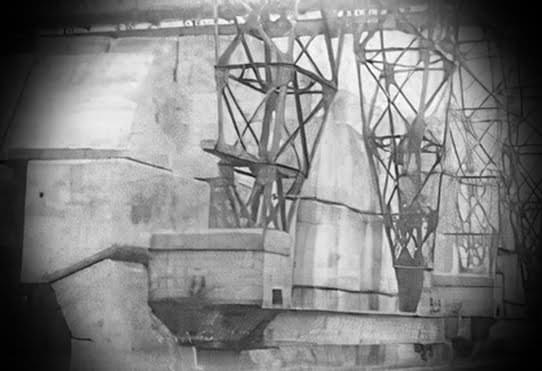
Massive precast concrete 10 ton blocks stored for use in construction of deep water quays by the contractor.
- The experience gained with the sinking of thin walled prestressed concrete cylinders enabled an alternative method of construction, which was faster and cheaper, to be developed. The construction of the proposed deep water quay in Galle Harbour provided an opportunity to adopt this system for the construction of the quay wall. The thin walled cylinders of 6 feet diameter were sunk one against the other along the length of the quay wall to a depth of over forty feet to form a propped cantilever wall providing a dredged 30 feet depth of water alongside. A coping was cast on top of the cylinders along the entire length of the quay. The coping was tied back at 60 ft. centres to shallow 20 ft. diameter cylinders sunk into the fill behind the quay wall. Prestressed concrete ties were used to anchor the wall to the 20 ft. diameter cylinders. This method of construction enabled the quay wall to be constructed fast, at a lower cost and without the heavy machinery required for blockwork construction. The 1400 ft. long deep water quay constructed in about 1961 in Galle Harbour has functioned satisfactorily requiring very little maintenance.
- This concept of using cylinders for quay wall construction was adopted for the extension of Queen Elizabeth Quay (QEQ) to form the first container berth in the Port of Colombo. The Quay wall consisted of 27ft. diameter hollow cylinders, which were sunk through the bed and capped with concrete. The method of sinking was innovative. The walls of the cylinders had vertical cylindrical holes closely spaced along the periphery through which the soil was excavated and removed using an airlift pump, the soil in the core of the cylinder remaining intact. The cylinders were sunk, one against the other along the quay, and connected together by means of a thick concrete coping, which was tied back to 32 ft. diameter cylinders spaced at about 60ft. centers to ensure propped cantilever action of the wall. This method of construction provided a cheaper and more convenient alternative to slice course blockwork used for the Q.E.Q.
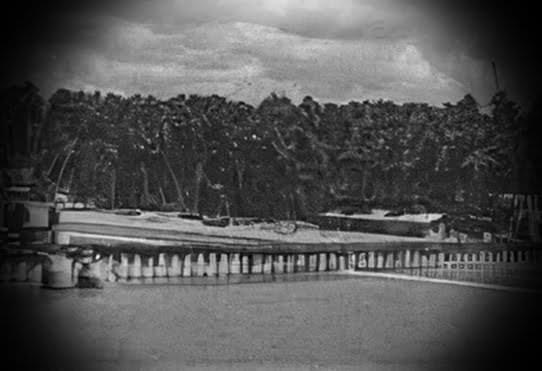
Construction of deep water quay at Galle harbour- using thin-walled concrete cylinders 6ft diameter sunk side by side.
The development of an alternative to the use of heavy type "pall mall" blocks and natural stone armouring for breakwater and revetment protection and for construction of coast protection groynes.
- Protection of maritime structures against damage by wave action had been provided for a long time using heavy blocks of natural stone and heavy concrete blocks going up to twenty tons. This was an expensive method involving The use of heavy equipment, and several types of lighter interlocking blocks like the “Tetrapods” were available for this purpose. The use of these armour blocks involved payment of heavy royalties to the patent holders making their use expensive, encouraging the development of a local alternative.
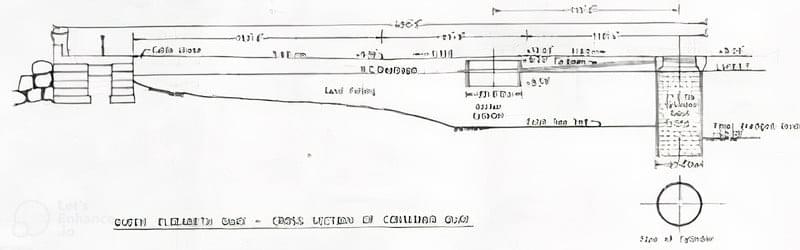
- The setting up of facilities for carrying out model studies for wave-related problems in the Colombo Port enabled studies to be carried out on a simple interlocking concrete armour block. This resulted in the development of the “Tetracyl” which is a thick walled cylindrical ring, typically 6ft. diameter, 12 inches thick and 12 inches high with four projections on one face about 12 inches square and 12 inches high. This was the size tried out for the protection of revetments and groynes used in coast protection. It was also used for the protection of rubble mound break waters for fishery harbours. The blocks were laid in layers interlocking with each other by means of the projections on one face. These proved quite successful and they were used for the construction of groynes and revetments along the South Western Coast and for the protection of break waters for fishery harbours like Myliddy in the North.
CONCRETE SHELLS
The Development of Technology for the use of thin concrete shells for Port Structures
- Several applications of thin shell structures were seen in the construction of buildings in the Port Development work. This opportunity was made use of for the investigation of certain problems of design and construction of shell structures, if this type of construction was to he used. In the nineteen fifties, when this work was started, the information available in technical literature was not quite adequate for this purpose and a large amount of studies had to be carried out resulting in sonic innovative solutions to design and construction problems.
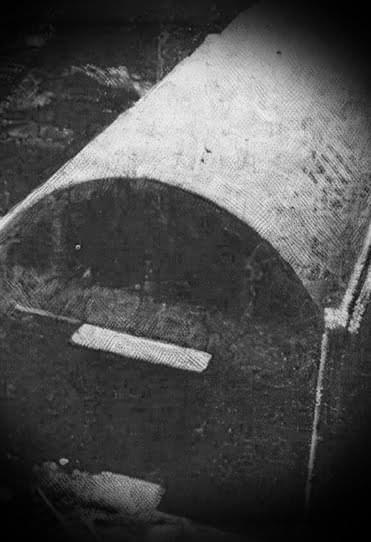
External view of the 50 ft span x 20 ft. wide cylindrical shell roof in the construction of which the new technology was developed.
Cylindrical Shells
- There was a large number of coaling jetties constructed in reinforced concrete where the deck reinforcement had undergone serious corrosion. Investigations revealed that the concrete cover to the slab reinforcement had deteriorated due to sulphate attack resulting in heavy corrosion of the reinforcing steel. The deck slabs had to be removed and replaced as a permanent measure although, as a temporary measure replacement of the corroded steel and “guniting” a protective layer of cement sand mixture was carried out. However, a more permanent solution had to be found.
- This was the commonest form of shell roof construction but there was no previous experience of design and construction of such shells within the country. The Author was, however, aware of the problems associated with their design and construction. The design involved lengthy calculations, which took a long time using the electromechanical calculating machines available at that time. These calculations involved small differences of large numbers which required working to about seven decimal places. Some short cuts, like the beam theory were available but care had to be exercised in using these. It was found that the method of construction developed enabled the calculations also to be simplified.
The construction problems in shell construction were –
- The necessity to erect shuttering for the whole shell before connecting.
- The necessity to have three layers of reinforcement to take the bending stresses in two directions and the shear stresses at the end.
- The difficulty of compacting the concrete near the steep edges.
- The need to have adequate water proofing treatment to protect the reinforcement against corrosion and to provide adequate water tightness of the shell roof.
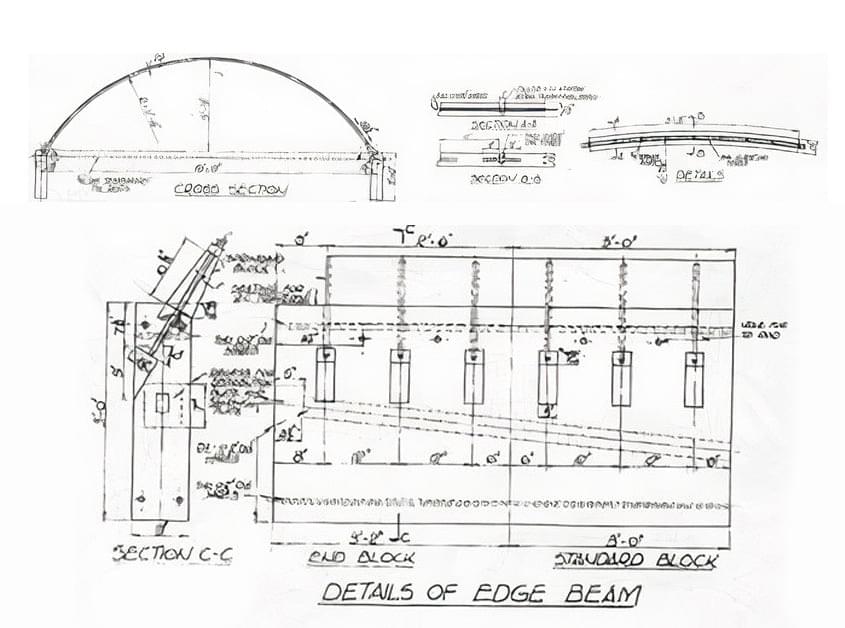
Details of precast concrete cylindrical shell roof
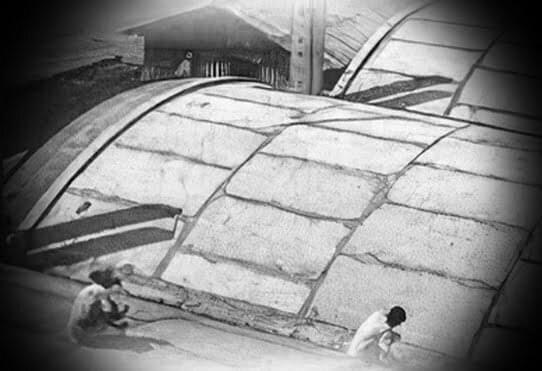
View from above showing the joints between the precast shell in a group of three cylindrical shells at Galle harbour prior to jacking UP. Note the double columns for supporting the edge and valley beams. A study of technical literature at the time showed that these techniques had not been used elsewhere.
- The R & D work carried out resulted in the development of a system of construction, which avoided all the above difficulties. The first shell roof incorporating the new technique, a shell of 50 ft. span and 20 ft. wide was built in 1957. The method consisted of assembling thin precast shell segments on to the edge beams by means of prestressing cables passing through the segments using a travelling centering covering the arch over a short length. Once all the arches were assembled by prestressing on to the edge beams they were connected together longitudinally. the cables passing through the preformed ducts in the shell segments and anchored to the precast end frames (traverses) of the shell. This resulted in a thin arch of 20 ft. span and 50 ft. long. The two edge beams were tied together by transverse ties to take the arch thrust of the ties arch. The next operation was to tension the main post-tensioning cables in the edge beams and anchor them to the end traverses, releasing the transverse ties at some time. This converted the long arch to a cylindrical shell of 50 ft. span and 20 ft width. This entire operation was carried out at ground level with the edge beams resting on the ground. The construction was completed by jacking up the shell to the required height using jacks at the four corners and supporting it on columns at these points.
- This system of construction was used for the construction of a series of shells, 1 00 ft. span and 33 ft. wide to form the warehouses at the deep water quay in Galle Harbour Three shells forming a roof 100 ft. x 100 ft. were jacked up at a time to the required height. No water proofing was used as the orthogonal system of prestressing ensured crack free conditions by avoiding tensile stresses under all loading conditions. The shell has required no maintenance other than the periodical painting even after more then thirty five years. This method of cylindrical shell roof construction has reduced the cost of such structures considerably by avoiding conventional form work and reducing the amount of steel and concrete and eliminating the necessity for water proofing.
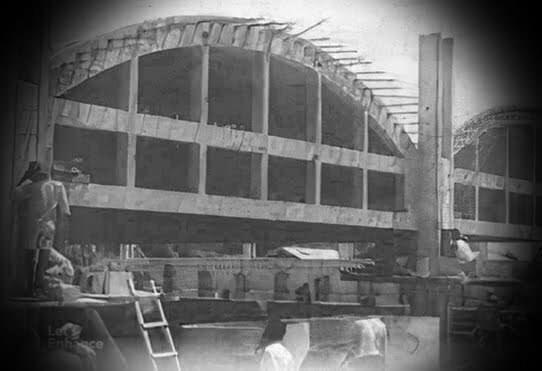
100 ft. span x 33 ft. wide shell roofs being jacked up in groups of three roofs for a warehouse in Galle harbour. They require no maintenance except periodic painting, even after 35 years.
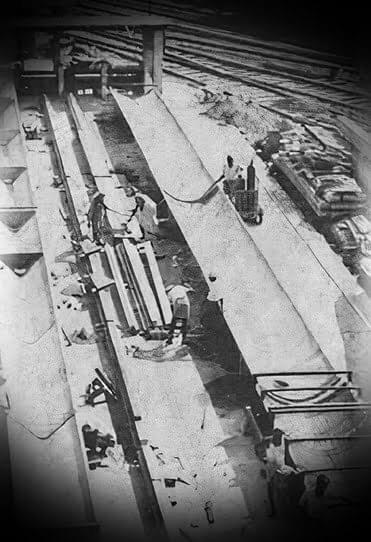
By including diaphragms at each end of the shell per mould every day was possible and a large number of these shells were cast 1n a 400 ft. long stressing bed. The shells were 2 inches thick, 5 ft. wide, and covered spans up to 50 ft. A number of buildings including 50 ft. wide S.E.C. Workshops at Peliyagoda and the 100 ft. x 100 ft. columns free space for a Hydraulic model testing Laboratory were built in the sixties
Hyperbolic Paraboloid shells of the Saddle shape
- Saddle-shaped Hyperbolic Paraboloid shells have been found very suitable for the roofs of factories, workshops and similar buildings where large columns free areas are required. These had desirable features like a longitudinal curvature enabling drainage of water towards the ends, a curved cross section convex downwards and the possibility of generating the surface by means of skew straight limes moving along parabolic curves at the ends. however, this property which required the prestressing wires being placed skew to the longitudinal axis of the shell prevented their construction on the long line of prestressing. A wire which started at the left hand corner of the shell had to go to the centre of the other end. The practice had been to cast the shell in individual moulds made strong enough to take the reaction from the prestressing wires. The wires had to be released from the moulds before demoulding, which meant that the concrete had to attain the necessary strength for this purpose. This required heat curing as no effective accelerators were available at that time. (late fifties and early sixties) With the use of the long line, the demoulding could be done without the detensioning of the wires, but the problem was the changing of the wires from one point in a cross section to another along the length of the shell. This was achieved by introducing diaphragms at each end o f the shell which had anchor hooks to fix the wires in the correct position. This enabled the casting of one shell per mould every day and a large number of these shells were cast in a 400 ft. long stressing bed. The shells were 2 inches thick, 5 ft. wide and covered spans up to 50 ft. giving a very economical solution to roofing of workshops, factories and similar buildings. A number of buildings including the 50 ft. wide S.E.C. Workshops at Peliyagoda and the 100 ft. x 100 ft. columns free space for a Hydraulic Model Testing Laboratory were built in the sixties.
Hyperbolic Paraboloid Umbrella Shells: Solution of the Corner Droop Problem
- Umbrella shaped Hyperbolic Paraboloid shells are very suitable for roofing large areas economically in view of the small amount of concrete and steel required per unit area of floor. The resulting structure is also aesthetically elegant. The possibility of covering large areas by a repetition of these shells is also a desirable feature. There were however, certain problems which had not been solved by the time they were considered for application in the late fifties. One was the large edge beams required when constructed in reinforced concrete and the corner droop proh1cm. (the downward deflection of the four corners). These problems had not been solved at that time but solutions were necessary before they could be constructed successfully in the Port. The opportunity created by the necessity for constructing a covered car park, which was aesthetically pleasing, was made use of for constructing three umbrella shells, each 4Oftx3O ft in plan. The techniques required for the construction were developed in the course of construction. The heavy reinforced concrete edge beams normally used, were replaced with lighter prestresed beams. the post tensioning cables being terminated at intermediate points, in addition to the ends of the beams. This induced a prestress varying along the beam which approximately matched the membrane stresses along the edges of the shell. This also corrected the corner droop of the shells, which had troubled previous designers of these shells including the famous Prof. T Y Lin of Berkley. California. He was carrying out model tests, which the Author saw later, to find the solution to this problem. It was a pleasure for the Author to inform him of the solution when the Author met him at the Shell Conference in Madrid in 1959, where the Author presented his paper on “Umbrella Type Hyper Parabolic shell roofs with prestressed edge beams”. This was a significant contribution to the design and construction of these shells.
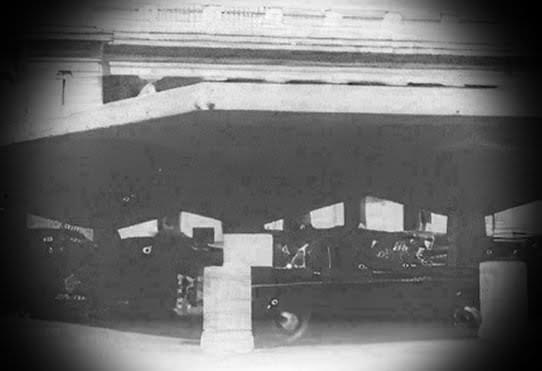
Umbrella type hyperbolic parabolic shells were used to built the car park outside the CPC, in 1954. This structure achieved a solution to the problem of corner droop that had troubled previous designers including the famous Professor T.Y. Lin of Berkley.
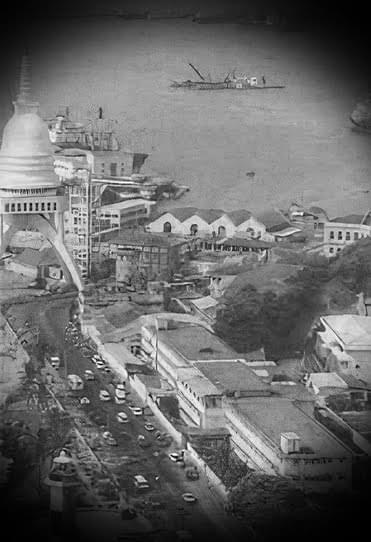
The concrete roadway of new marine drive incorporated three sections each for 100 ft. long concrete, two in pre tensioned and post tensioned pre stressed concrete the other in mass concrete. The suitability of concrete for roads in the harshest climatic conditions, has been demonstrated and concrete roads are in use in India, but not in this country.
Concrete Roads
- A decision was made by the Port Commission to open a road along the seafront to connect Galle Face Road with the main access road leading up to the Queen Elizabeth Quay. This provided an opportunity to construct three, four hundred feet lengths of concrete road. One was a pretensioned prestressed concrete slab and another was a post-tensioned prestressed concrete slab. Both slabs were four inches thick and the post-tentioned slab used the “Kulasinghe CPC” system for the post-tensioning cables. The third section was in conventional unreinforced concrete. These sections of the Marine Drive, which is now known as the Chaitya Road, were completed in 1956. They have performed very well during the last forty-two years. They have required no major maintenance in spite of the very heavy traffic along this road.
- These concrete roads were built to demonstrate their suitability for climatic conditions prevailing in this country as against bitumen surfaced roads which have to be repaired at frequent intervals. Unfortunately, the road authorities have not appreciated the value of concrete roads and ignored their suitability for the conditions in his country. They have the wrong idea that very thick concrete is required arid therefore they are expensive. It has been demonstrated that concrete roads making use of Rollcrete”, a roller compacted concrete process is very suitable for conditions in countries similar to Sri Lanka. It is also very economical to use and hence its wide use in India. It is interesting to mention that roller compacted concrete was used for the construction of jetty decks in the Port as far back as 1 950. This is probably the first time the process was used for the compaction of concrete. In this process, used for roads, a lean dry mix of concrete is compacted by a vibrating roller giving a low cost high strength materials having low shrinkages.
Other Shell Structures
- In addition to the shells mentioned above other important shells built by the S.E.C. the NERD Centre and the CECB have to be mentioned.
The Kalutara Bodhi Chaitya
- The Kalutara Bodhi Chaitya was built in the late sixties as a thin shell of 100 ft. diameter with a thickness of 51/2 inches. This was the first thin hemispherical shell built in this country. The design and construction were carried out by the State Engineering Corporation whose computer (the first in the country) enabled the complicated calculations to be carried out without resorting to approximations that become necessary when working with calculators. This was especially so during the time the design was carried out. The construction was by conventional methods involving the construction of form work for the whole shell before placing the steel reinforcing and concrete. It is one of the most beautiful monumental structures in this country.
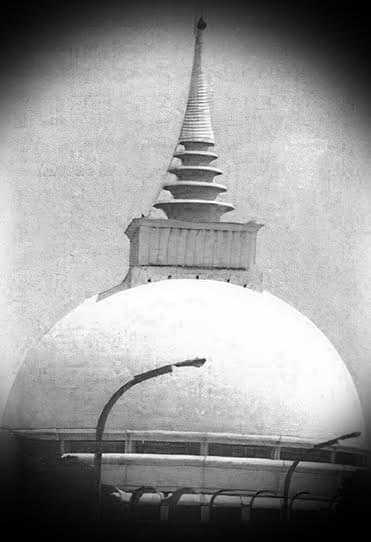
A view of tile beautiful Kalutara Bodhi Chaitva Built 1970-71. This 100 ft. diameter shell concrete structure was the first hemispherical thin shell built in the country.
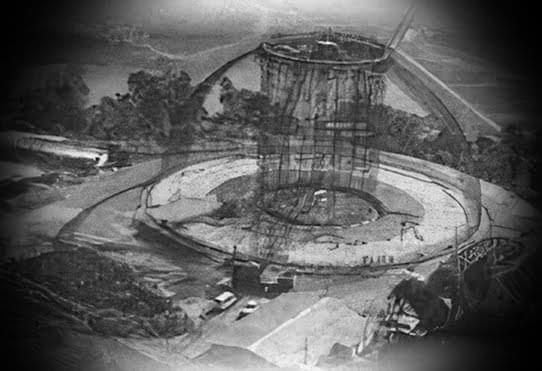
View of the Mahaweli Maha Seya at Kotmale, during construction: a thin hemispherical shell structure with a diameter of 200 ft. was built using several innovative techniques in design and construction. It was almost impossible to construct this 200-foot diameter thin shell using the conventional method of construction
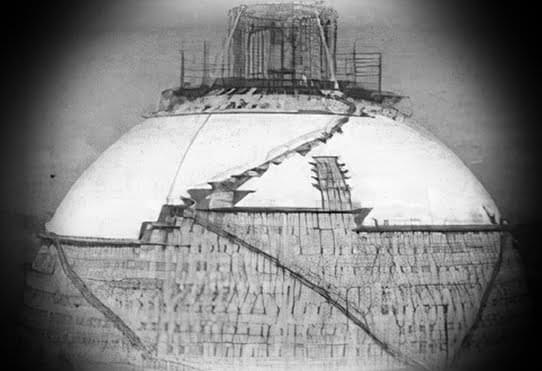
View showing the complete 200ff diameter hemispherical shell after construction. Glazed ceramic tiles are being laid for external protection.
The Mahaweli Maha Seya at Kotmale.
- The construction of the Kotmale reservoir inundated a number of temples in the area which led to a decision to construct a monumental stupa in a prominent site close to the Kotmale dam so that it could be seen over a wide area. This required a large structure and the final choice was a chaitya with a diameter of two hundred feet constructed as a thin semi spherical shell to reduce cost and also improve its usefulness. The design of a shell of these dimensions presented many serious problems. They were the danger of buckling, the thermal stresses created by the difference in temperature between the side exposed to the sun and the sheltered side and the vertical and horizontal loading which the shell is subjected to. The calculations involved in the design were quite complex and the safety requirements demanded very accurate analyses. A unique method of constructions had to he developed to enable such a large and think structure to be built. The method adopted was to build a skeletal shell to the same shape of the shell itself with the steel reinforcement required for the structure. The formwork for the shell concrete was supported on the reinforcement skeleton and concreting was carried out in rings of four feet height. This involved calculations to determine the stresses in the skeleton and in the concreted section of the shell at every stage. This was tedious and required a high degree of skill.
- This unique method of construction was successful and economical. It was almost impossible to construct this 200 ft. diameter thin shell using conventional methods of construction. Setting out the shell was also a difficult task as an accuracy to ensure a maximum deviation of one inch from the true surface had to be ensured to avoid local buckling of the shell. The design calculations for the shell formed the M.Sc. thesis of the Structural Engineer who worked on it with the Author under very close guidance. This structure is one where those involved in the design and construction can be justifiably proud of. The design and construction was handled by the Central Engineering Consultancy Bureau.
Sambuddha Jayanthi Chaitya on Chaitya Road
- Another monumental structure for which the Author was responsible in the Sambuddha Jayanthi Chaitya built on Chaitya Road partly constructed by the Colombo Port Commission and completed by the Colombo Port Authority.
The Varaya Chaithya started by the CPC to commemorate the Buddha Jayanthi in 1956, is also a shell structure supported on a deep hollow slab carried on two 0 intersecting arches The hollow slab 60ft. x 60ft. provides space for a library, a shrine room, preaching hail and public space. The seawall foundations of the arch was placed under the sea, under compressed air with air-lock access. Total height is 250 ft. and arch span is 150 ft.
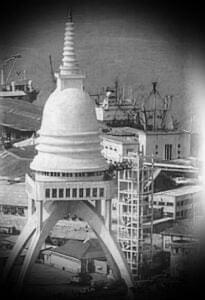
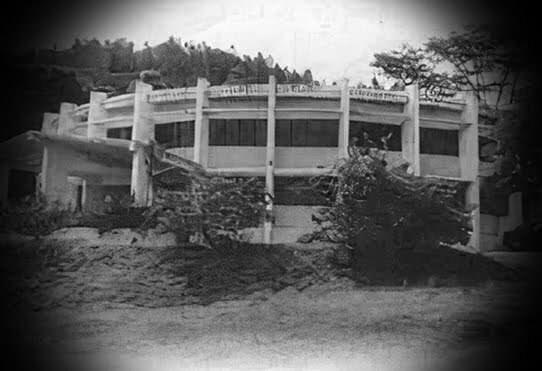
The NERD centre Auditorium is another concrete shell, 200 feet diameter; and one inch thick. The shell roof is a parabolic of revolution, concave upward. A similar structure built later by the NERD centre at the University of Peradeniya as shown.
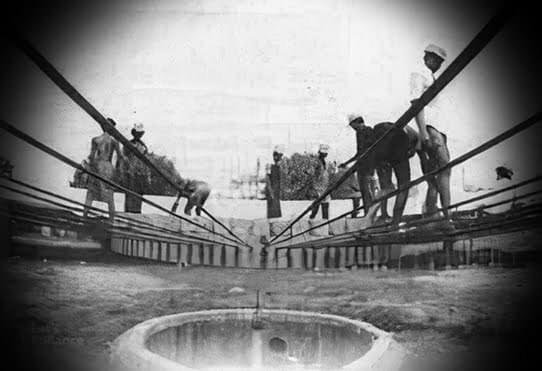
The two-ring bean is connected by closely spaced radial pre stressing cables, which were tensioned to predetermined value. The outer ring beam was jacked UP using sixteen jacks placed at sixteen columns spaced along the periphery.
Kulasinghe Auditorium of the NERD Centre
- The other interesting shell constructed using a novel method is the 100 ft. diameter tension shell of the “Kulasinghe Auditoriuni’ of the NERD Centre. This shell is in the shape of a paraboloid of revolution concave upward with a thickness of less than one inch. The method of construction was as follows.
- The outer reinforced concrete ring beam of 100 ft. in diameter and a similar concentric inner ring beam of 10 ft. diameter were built on the ground. The two ring beams were connected by closely spaced radial pre-stressing cables which were tensioned to a predetermined value. The outer ring beam was jacked up using sixteen jacks placed at the sixteen columns spaced along the periphery. The jacking up was continued till the inner ring beam lifted off the ground. The jacking was continued, while placing temporary weights on the inner ring beam, till the inner ring beam was five feet below the outer ring beam. The jacking up was continued further till the outer ring beam reached the designed height of 1 5 ft. The sixteen columns supporting the outer ring beams were extended as the jacking proceeded till it rested on the columns at the height of 15 ft. A skin of fibber glass was attached to the underside of the radial wires and a thin concrete of about one inch was laid on the fibre glass which acted as form work. The temporary weights on the inner ring beam were removed progressively to maintain its sag of 5 ft. below the outer ring beam. Waterproofing of the thin shell completed the tension shell structure. This novel method of construction resulted in a very low cost. This shell provides a low-cost roof for large areas without internal columns.
ENGINEERING RESEARCH AND DEVELOPMENT AT THE STATE ENGINEERING CORPORATION
The Development of Technology for the use of thin concrete shells for Port Structures.
- The State Engineering Corporation was set up in January 1962 to undertake the large amount of engineering work involved in the various development projects planned for execution during this period. They included large factories like the steel rolling mills, the tire factory, and the large textile factories in addition to hydropower development and fishery harbours. This work gave an opportunity for Research & Development work to be done and innovative techniques to be used in the construction work involved thus justifying the use of funds from the allocations made for these projects. For this purpose, an R&D division was set up with laboratory and workshop facilities located in a building near the S.R.C. Head Office. R&D applied to materials and methods of construction was undertaken. In addition to this a number of other R&D projects were undertaken in the fields of Mechanical & Electrical Engineering.
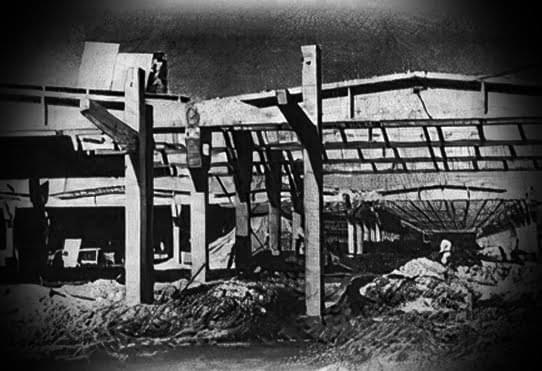
The Thulhiriya Textile factory covers a floor area of thirteen acres. Ten thousand six metre long purlins had to be provided in ten months for the roof. After theoretical analysis and testing, a trapezoidal section was developed. Using moulds stretching the full 400 feet of the prestressing bed, with steam curing to remove moulds daily, the required rate of production was met.
Some of the projects undertaken were: –
- The development of a new concept for roof trusses with parallel chords of the Vierendeel type but using a parabolic cable to carry the loads.
- A roof purlin up to 20 ft. span in prestressed concrete, which could be cast on the long line and removed from the molds without dismantling the molds.
- Prestressed clay roof purlins produced on the long line.
- Production of ceiling boards and panel boards for wall construction using coir dust.
- Use of concrete for the construction of machine tools and overhead travelling cranes.
- Development of a new material, “Wirecon” a fibre reinforced cement mortar for the construction of thin walled structures like boats and water tanks.
- A new technology for the construction of water towers where an inverted conical water tank is built at ground level and jacked up using jacks at ground level, extending the tower from the tank downwards.
- The manufacture of large dredging pumps and sewage pumps in natural rubber.
- The application of linear induction motors for overhead travelling cranes.
- The development of a textile spinning machine using a linear induction motor for thread drawing and reluctance type synchronous motors running on gas bearings for spindle drives.
- Cutter suction dredgers where the cutters and winch drives are powered by Turgo Impulse-type water turbines.
- Long span (4″- O”) clay roofing tile.
- Design and construction of the planetarium building in Colombo. The above innovative developments are described briefly below.
The development of a new concept for roof trusses
- In the late sixties, the Lanka Leyland Corporation was set up for the local manufacture or assembly of Leyland chassis for buses and trucks. This required the construction of a large building with a large span North light roof. The North light trusses were required to span 100 ft with a spacing of 30 ft. The depth of the North light glazing had to be about 10 ft.
- The traditional solution would have been to use two trusses, one at the top and the other at the bottom with the glazing in between. The other alternative was to use a Vierendeel truss to the full height of the glazing in which the vertical numbers could be used as mullions for the glazing. Both these alternatives were costly and an alternative solution was investigated at the R&D division of the S.E.C. A completely new concept was evolved, which consisted of a reinforced concrete. Vierendeel type of truss, the loads being carried out by vierendeel action but by means of a parabolic prestressing cable with the lowest point being at the centre just above the bottom chord and the ends anchored to the top chord at the ends. The cable passed through the vertical members through which the vertical loads were transferred to the cables.
- It was possible to make use of the full depth of the truss for the sag of the cable thus reducing the number of prestressing wires required for the cable. The method of construction was to cast the truss horizontally on the floor, and tilt it to the vertical position. The cable was tensioned thereafter, and anchored at the ends. It was lifted into position from the ends and fixed to the columns already constructed. This was an entirely new concept introduced into the practice of Structural Engineering resulting in a large reduction in cost. Since it was a new concept, it was tested out on a quarter scale model in which the stress conditions under load were fully investigated using accurate resistance strain gauges. This was in addition to the theoretical analysis and the development of a simplified design procedure. Several structures have been built using this concept but with the truss assembled out of precast frames joined together by prestressing.
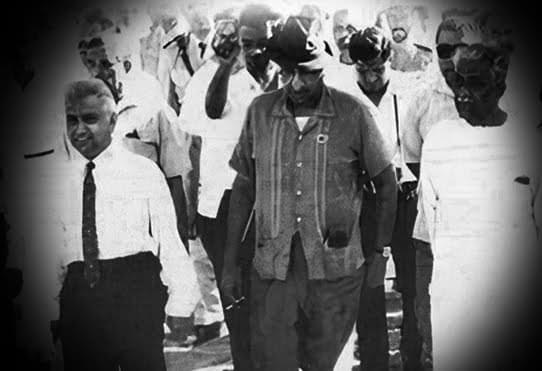
The Prime Minister Dudley Senanayake and Minister of Industries, Philip Gunawardena at the Elayapathlhuwa Brick and Tile Factory. Prestressed clay roof purlins were developed to cover spans of 10 feet to 20 feet
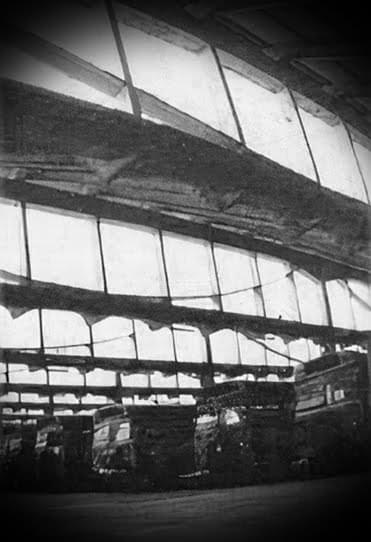
These purlins were in 4, 6, and 8-inch deep sections. After exhaustive testing, they were used at the Leyland factory and elsewhere.
Development of a roof purlin in prestresed concrete that could be cast without dismantling moulds
Prestressed concrete roof purlins with an “I” cross-section had been used in roof construction successfully for some time. However, the moulds set up in the ‘long line’ had to be opened for removal of the purlins cast and closed again for the next casting. This necessarily limited the rate of production. The Thulhiriya Textile Factory in which the two main production buildings alone amounted to a floor area of thirteen acres, required approximately ten thousand six meter long purlins in a period of about ten months. It was impossible to meet this demand with the “I” section purlins requiring the opening and closing of moulds. After a theoretical analysis and testing, a trapezoidal section was developed which could be cast and removed from the moulds without opening them. The dimensions of the section for a 6 metre span had a depth of 8 inches, a top width of 4 inches and a bottom width of 2 inches. Gang moulds were constructed in steel plates so that the space between adjoining moulds could be used to admit steam for heat curing, which enabled a cycle of wire tensioning, casting of concrete, and removal from the moulds to be carried out daily. The moulds stretched the full 400 ft. length of the stressing bed. The required rate of production was achieved and the project successfully completed. These purlins were used thereafter for a large number of factory building built by the State Engineering Corporation. The depth of the section was adjusted to suit the span and loading but they were cast in the same moulds. They were also used in a new system of suspended floor slab construction, which was developed after the return of the Author to the country at the end of 1977. This development will be discussed later.
Development of a prestressed clay roof purlin
- R&D work was undertaken at the R&D division of the S.E.C. into the use of fire clay for structural components as it was considered a suitable alternative to concrete which could be cheaper and lighter than concrete. This work was made possible as the S.E.C. had been given the use of the tile factory at Elayapaththuwa in Anuradhapura for R&D of clay products. It was, therefore, possible to obtain fired clay extrusions to the required shapes. The prestressed clay purlins to cover spans from 10 ft. to 20 ft. were built out of 4 inches, 6 inches and 8 inches deep sections by assembling them on the long line of presstressing. Exhaustive testing of these structural units proved conclusively their suitability for roof construction compared with steel, timber or prestressed concrete. This was fully demonstrated by using them for the entire North light roof of the Lanka Leyland Bus Assembly Plant. They spanned 10 ft. between the inclined prestressed cocnrete rafters spanning between trusses.
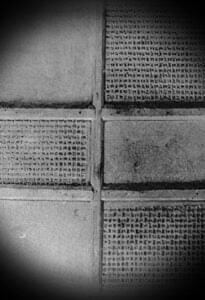
Cement-bonded coir fiber board for external wall cladding embossed to simulate brick finish.
Production of hardboard and cement bonded boards with coir dust
- Coir dust is a waste product of the coconut fibre industry, which had presented a big waste disposal problem. It had accumulated in large mounds near fibre mills and no use was being made of it. This material consists of waste fibres mixed with pith containing a high percentage of lignin. This composition indicated the possibility of using the lignin as a binder for the waste fibre to produce a suitable board by pressing it at the required temperature and pressure without using an added binder. A hydraulic press was constructed with heated plattens with provision for varying the compaction pressure and the temperature. The optimum temperature and pressure to give a suitable quality of board were determined after a series of trials. The moisture content of the coir dust had to be brought down to an optimum value before being fed to the press. A coat of water proof material improved the quality of the board. It was suitable for use in ceilings, partitions and some types of furniture. A cement bonded board was also produced which was suitable for use as wall cladding. The boards used for external cladding were embossed to give the appearance of brickwork.
Use of concrete for the construction of machine tools and overhead traveling cranes
- Pioneering research carried out in the Soviet Union had indicated the suitability of reinforced concrete for the consecution of non-moving parts like lathe beds and frames for machine tools. A wood planing machine, a saw bench, and a mortising machine were constructed at the S.E.C. workshops using concrete as the material of construction in place of the cast iron or steel fabrications normally needed. It was quite successful and resulted in considerable economy. The concrete acted better in damping out vibration in the machines. The suitability of concrete as a material of construction of machine tools was definitely proved. It was later used for the construction of the heavy frames required in frame saws for sawing large logs. Another successful application was the construction of the entire structure of an overhead travelling crane. Prestressed thin-walled hollow concrete members were used to reduce the weight of the moving structure. It was possible to reduce the cost of the structure substantially by using concrete.
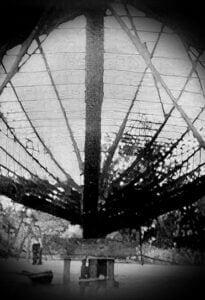
Steel skeleton for a wirecon boat
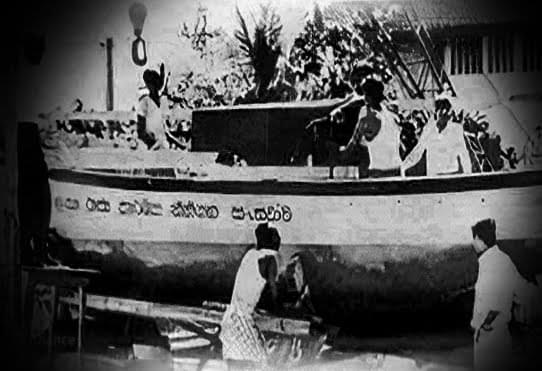
The first wirecon boat was built in the SEC in 1967
Development of a new material 'Wirecon', a fiber reinforced cement mortar for construction of boats and water tanks
- The Author was aware of the use of horse hair to increase the strength of plaster in buildings in European Countries. This led to R & D work using other fibber at the S.E.C. which led to the use of steel fibbers in cement mortar which could be used as an alternative to Nervi’s ‘ferro cement’ for the construction of thin walled structures like boat hulls and water tanks. This material was named ‘Wirecon’. It had certain advantages over ‘ferro cement’, which involved forcing the cement mortar through a number of layers of ‘chicken mesh’ which became a difficult process. It was difficult to avoid honey combing’ in the thin plaster. This was avoided in ‘Wirecon’ which used a large mesh which made it easier for the steel fibber, which was cut into short lengths of about one inch, to be mixed with the cement mortar and plastered on easily. It was also possible to cast the mixture in moulds. The first application of ‘Wirecon’ was in a 28 ft. fishing boat constructed in 1967, which was the first concrete boat to be built in the country. Several boats, including large fishing boats and harbour launches were built in this country. Several harbour launches were built in Singapore using this technology which was also used in the construction of 52 ft. fishing trawlers in Malaysia. “Wirecon” fishing boats are much cheaper and stronger than the fibber glass boats used today.
A new technology for the construction of Water Towers
- The new Bandaranaike International Airport required a water tower, the construction of which was entrusted to the S.E.C. An elegant structure was required in view of its important location and the solution adopted was a cylindrical tower with the water tank in the form of an inverted cone. This was not a new shape as the first tower of this shape was built in ‘Orebro’ in Sweden and the water tower at the Ekala Industrial Estate was similar in shape. Both were built using conventional methods where the formwork for the tank was erected on top of the completed tower. A cheaper and faster method had to be found, and a completely new method had to be worked out.
- The method adopted was to construct the tank in the form an inverted cone at ground level on top of the foundations for the tower, which was built up by assembling concrete blocks to form rings at ground level. The six hydraulic jacks for jacking up the tank and tower were kept at ground level, the portion of tower connected to the tank being jacked up a height equal to that of a ring of blocks.
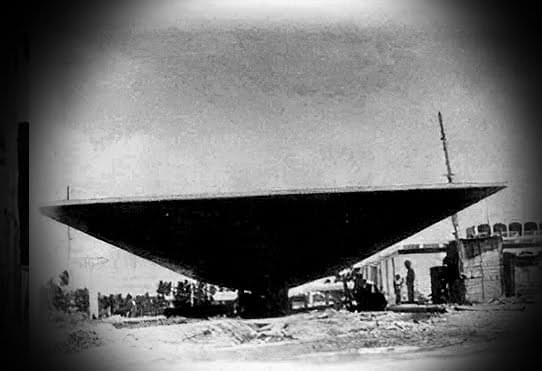
At the Bandaranaike International Airport the water tank was constructed in the shape of an inverted cone on the ground and jacked up while building the supporting tower from the tank downwards. Water towers of similar shape had been built in Orehro in Sweden and at the Ekala Industrial Estate using conventional construction methods.
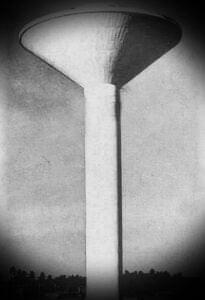
View of the completed water tower at Bandaranaike International Airport.
- A new ring was added at that level which, extended the tower downwards from the tank. This was jacked up and the process repeated till the tank reached the required height of 60 ft. The tower was prestressed with longitudinal cables being anchored at the lower end in the foundation and the upper end to the bottom of the tank. This enabled a comparatively slim tower to carry the vertical and horizontal loads imposed on it. The tank itself was prestressed to make the comparatively thin concrete water tight. Another new feature in the construction of the tank was the use of epoxy resins at the construction joints to improve the water tightness. The water tower built in the mid sixties achieved the objectives of economy, speed of construction and elegance. It occupies a prominent position in the Airport and has performed well without any significant maintenance work for a period of over thirty years.
The manufacture of large dredgiug pumps and sewage pumps moulded in natural rubber
- The proposed Colombo Katunayake Highway, which was started in 1968 required a large amount of filling which had to be done for it in the marshy stretch between the New Kelani Bridge and the point where it crossed the present Negombo Road near the S.E.C. workshops at Peliyagoda. It was decided that the best way of carrying out the fill was to dredge the Kelani Ganga nearby and pump the material onto the road trace. A 12 inch cutter section dredger was locally built using imported machinery. This included 700 horse power 12 inch centrifugal dredging pumps in which the pump casing was in manganese steel, meant to provide high resistance to abrasion. However the sand being dredged was so abrasive that the casings wore out to such an extent that they had to be rebuilt every week using welding electrodes costing Rs. 10,000 each time. This also involved unacceptable down time.
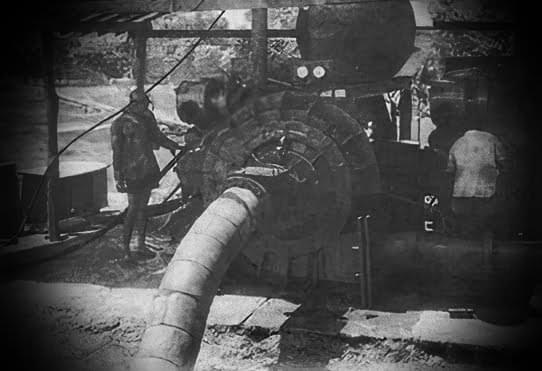
12 inch booster pump with moulded rubber casing.
- Up to that time the solution generally adopted had been to line the dredging pumps with rubber lining which often got detached from the casing and ended up at the discharge end of the pipe line. This happened due to the thin lining having to depend entirely on adhesion to the metal casing to stay in position. Very often, the adhesion was not enough to prevent the lining tearing off. A novel solution was used to overcome this problem. A thick walled rubber casing was moulded using tyre tread compound, which had high abrasion resistance and a relatively thin fabricated steel outside casing was provided to give the necessary stiffness and strength to the rubber casing. This was much cheaper than a managanese steel casing, which had necessarily to be imported. The rubber casing lasted about six weeks between rebuilds, which cost about Rs.250 for each rebuild. These pumps were so successful and cheap that all the sand pumps including the boosters along the discharge pipe line were constructed using the moulded rubber casings. They were all large 12 inch pumps with two 350 H.P. diesel engines driving each pump.
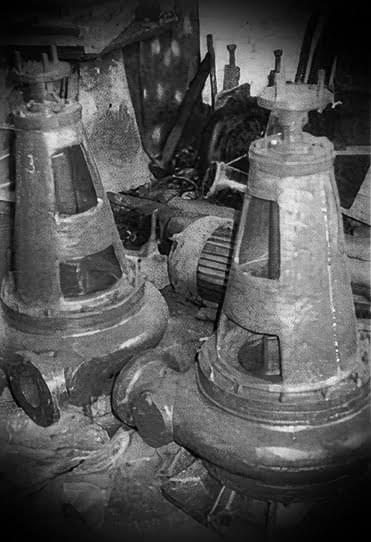
Sewage pumps build with moulded rubber casing were installed in the Mahiyangana hospital.
The application of linear induction motors for the propulsion of overhead travelling cranes
- The cross travel of the crane crab and the longitudinal travel of electric overhead travelling cranes are carried out using geared motors driving the wheels. The work carried out by Prof. Laithwaite on linear induction motors provided basic information which encouraged the Author to try out this principle for the travel motions in E.O.T. cranes. The linear motors were designed and manufactured at the S.E.C. workshops to give the tractive force required for a 20 ft. span 5 ton E.O.T. crane, the structure of which was constructed with thin-walled prestressed concrete hollow sections. The linear motors straddled thick aluminum strips, the tractive force being generated by the travelling magnetic field reacting with the field induced in the aluminum strips.
- Another innovative feature of this crane was the crane crab in which four lifting and lowering speeds were achieved without the use of variable speed gears or variable speed motors. The winch of the crab had two drums with two slightly different diameters and driven by two independent motors through worm gears. In lifting, running the larger drum to lift and the smaller drum to lower gave a low “inching” speed as each end of the wire rope was wound on a different drum. Lifting with one drum with the other stopped gave two intermediate speeds, lifting with both drums gave a high speed. Lowering speeds were varied the some way. Only a 20 ft. span, 5 ton crane was built and demonstrated at the 1970 Annual General Meeting of the Ceylon Association for the Advancement of Science (now the SLAAS) as apart of the exhibition organized by the S.E.C. to illustrate the various developments mentioned in the Author’s Presidential Address. His departure from the country in 1971 prevented the use of this crane in industry.
The development of a novel textile thread spinning machine using linear induction motor for thread drawing and synchronous motors with gas bearings for spinning spindles.
- A series of pairs of rollers running at different speeds are used in spinning machines for drawing the thread before feeding it to the spinning spindles. The different speeds are obtained by means of a gear box. A much simpler arrangement was developed using a linear motor for this purpose. It consisted of an aluminum disc attached to the end of the thread drawing roller shaft with the disc running between two linear motors. The radial distance of the linear motors from the centre of the disc and shaft were adjusted to give the necessary speed of the roller shaft. Each roller shaft had the linear motor positioned on the disc to give the necessary speed. This eliminated the need of the speed reduction gear boxes, and resulted in economy and simplicity of the spinning machine. The other innovative feature was the use of very small reluctance type synchronous motors to drive the individual spindles. The required speed of 9000 rpm was obtained from a frequency converter having an output of 150 Hz at 48 Volts. The rotors ran on gas bearings, the spinning spindles forming an extension of the motor shaft. This eliminated completely the arrangement of belts running on pulleys on a horizontal shaft driving the vertical spindles involving a twist of 90″ of the belt. These motors were made at the S.E.C.
- A prototype spinning machine with four spindles and incorporating the innovations mentioned above was built and exhibited at the exhibition organized by the S.E.C. showing the developments for which the Author was responsible and forming the subject matter of his presidential address to the 1970 Annual General Meeting of the Ceylon Association for the Advancement of Science (now SLAAS). It was not possible to bring it out for use in the textile industry due to the departure of the Author in late 1971. It still remains an advance in thread spinning technology. Another innovative addition to textile technology was the development of the pneumatic projectile device as an alternative to the conventional shuttle with all its problems. This device consisted of a stream of wax balls shot across the shed using a pneumatic gun. The ball stuck to a thread (weft) and took it across to the other side. A fluidic controlled device stopped the running of the weft when it reached the other end resulting in the wax ball releasing the thread and joining the stream of balls to be re-used. Another fluidic controlled device synchronised with the opening and closing of the shed, turned the weft in to form the selvedge. The thread was cut automatically from the gun before turning the weft in. A prototype loom incorporating this device could not be completed before the Author’s departure from the country.
Cutter Section Dredgers where the cutter and winch drives are powered by Turgo Impulse turbines.
- A 12 inch cutter section dredger with a dredging depth of 40 ft. was built by the S.E.C. for use in filling the route of the proposed Katunayake Highway in 1968. The material for the fill was to be obtained by dredging the Kelani Ganga at Peliyagoda. Using the experience gained in building and operating suction dredgers both in the Port Commission and at the S.E.C. the new dredger was designed to overcome some of the problems experienced. One main problem was the difficulties experienced with electric and hydrostatic drives used for the cutters and the winches for lifting and lowering the cutter ladder and swinging the cutter and lifting and lowering the spuds. Out of two dredgers built earlier, the 8 inch suction dredger used in the Kandy lake had electric drives whereas the 12 inch dredger built later had imported hydrostatic drives. They were expensive to purchase and maintain due to the necessity to import spare parts which resulted in unacceptable down time.
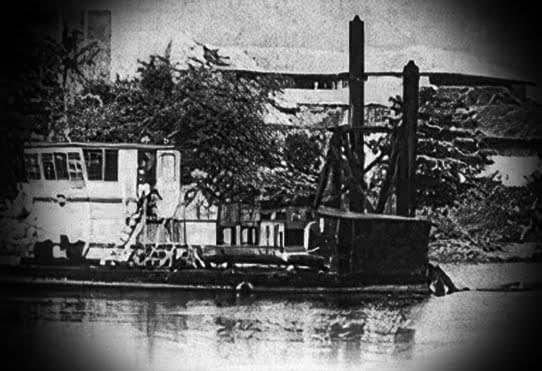
A cutler suction dredger built by SEC dredging the Beira lake. A completely new system was introduced described as a hydro-kinetic drive which was described as an ideal solution for dredgers operating in the third world.
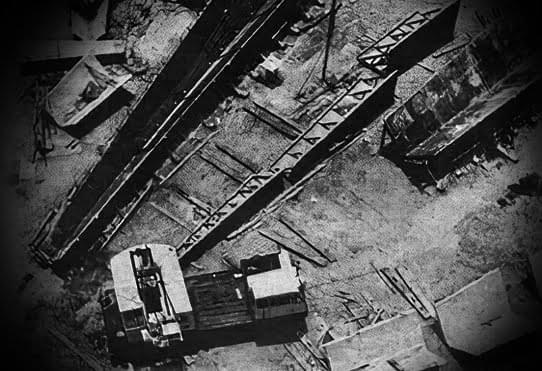
The “V” shaped tapered/aided plates were cast in sections and joined and stressed together by post-tensioning cables on the ground
- To overcome these difficulties, a completely new system was introduced. It consisted of locally manufactured Turgo impulse turbines used to drive the cutter and winches through worm reduction gearing, also manufactured in the S.E.C. workshops. The water required to run these turbines was supplied under pressure from a diesel engine driven centrifugal pump installed on board the dredger. The supply to each turbine was controlled by a rubber “pinch valve” operated by pneumatic cylinders. The pneumatic system had “finger tip” valves located in the control cabin. In this system of winch and cutter drive, there was very little to break down and there was little maintenance. All the repairs could be carried out in the S.E.C. workshops eliminating the necessity for imported spares. This dredger worked quite satisfactorily and it was claimed by some U.N. Consultants as an ideal solution for dredgers operating in the third world.
Design and construction of the planetarium building in Colombo
- It was decided by the Ministry of Industries to build a useful monumental structure as part of the industrial Exhibition held in late 1964. Several alternatives were considered with the final selection being a planetarium. The building for the planetarium had to be an outstanding feature of the landscape. For this purpose, a conical shell consisting of tapered folded plates radiating from the centre was adopted. The design was not very difficult but construction within a very short period, as required, made the conventional method of shuttering and “in situ” concrete unsuitable. The method finally adopted was to precast and prestress the folded plates on the ground and erect them using an innovative and elegant method.
- The “V” shaped tapered folded plates were cast in sections and joined and stressed together by post tensioning cables on the ground in the position vertically below their final position in the structure, radiating from the centre. A temporary steel tower supported the upper ring beam and a concrete cylinder at the centre inside the tower carried a double cantilever crane manufactured for the purpose for lifting the inner ends of the folded plate. The erection procedure was to lift the inner ends of a diametrically opposite pair of folded plates while their outer ends were carried by two mobile cranes which moved them in while the inner ends were lifted.
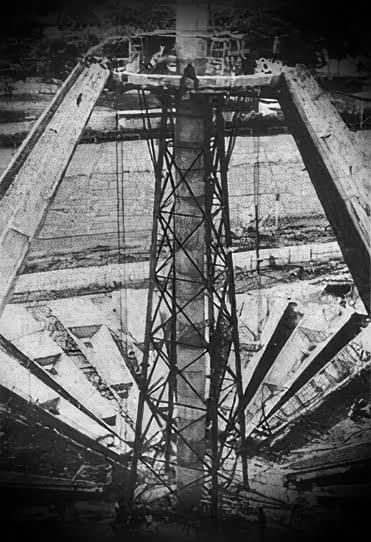
The NERD centre Auditorium is another concrete shell, 200 feet diameter; and one inch thick. The shell roof is a parabolic of revolution, concave upward. A similar structure built later by the NERD centre at the University of Peradeniya as shown.
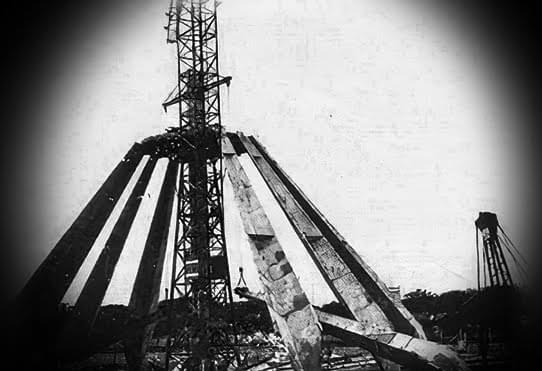
When the inner ends were lifted to fit into steel inserts cast in the upper ring beam, the lower ends dropped into pocket foundations, which were cast accurately earlier.
When the inner ends were lifted to fit into steel inserts cast in the upper ring beam, the lower ends dropped into pocket foundations, which were cast accurately earlier. A steel insert cast into the upper end of the folded plate was welded to the corresponding insert in the ring beam, while the bottom end was converted into the pocket foundation. This procedure was repeated till all the folded plates were erected to form the shell. They were all connected together by ‘in situ’ concreted joints, which ensured shell action of the structure. A shallow shell of double curvature was constructed on the ring beam, thus completing the structure. The architectural features were added to complete the building and the temporary towers inside the shell were removed to allow the construction of the projection dome. The planetarium building was completed in a short time to meet the dead line of the opening of the Industrial Exhibition, which would not have been possible if not for the innovative system of construction used.
Long span clay roofing tile (4ft. span)
- The clay roofing tile has been popularly used in this country for hundreds of years and the “Mangalore Pattern” design has been used from its introduction more than a hundred years ago. Each tile spans 12 inches between reepers requiring a large amount of reepers for a roof These reepers required a rafter spacing of about 20 inches, which resulted in the need for a large quantity of rafters as well. The rafters and reepers being in timber, a heavy demand was created on the timber supplies, which resulted in environmental problems. The Author became aware of this in the nineteen sixties and started working on a solution. There were many difficulties involved in the manufacture of long clay products. Cracking due to drying shrinkage and during firing had to be overcome by adjusting the clay mixture and by control of the firing temperature. The tiles were 4′ – 6″ long and 1 2 inches wide. The cross section had a double corrugation with longitudinal duels at the bottom of each corrugation for insertion of reinforcement to prevent failure due to undetected cracks.
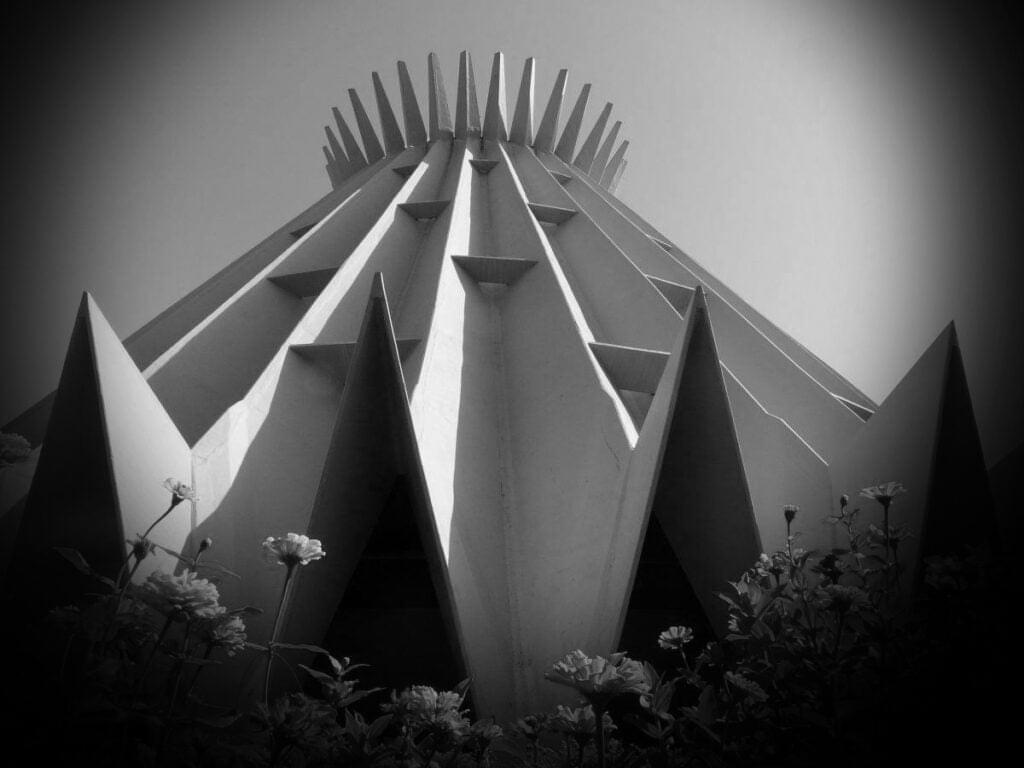
The planetarium had to be an outstanding feature of the landscape.
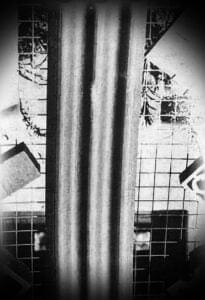
A long span clay roofing tile to span 4 feet was developed, by the SEC after considerable R&D work in the Eliyapaththuwa factory at Anuradhapura.
These tiles were used successfully in a number of buildings built by the S.R.C. They were supported on prestressed clay purlins which were also introduced at that time. The result was a low-cost roof as the cost of the tiles per square foot was low, rafters and reepers were eliminated and the prestressed clay purlins were very much cheaper than the alternative materials timber, steel and prestressed concrete. The clay 10 ft. purlins were used for the entire roof of the Lanka Ley land Bus assembly plant built in 1968. These were very promising products and they are so today also in view of their low cost and the low adverse environmental effects. Here again this development work stopped after the departure of the Author in 1971.
RESEARCH AND DEVELOPMENT CARRIED OUT AT THE NATIONAL ENGINEERING RESEARCH AND DEVELOPMENT CETRE (NERD CENTRE)
The National Engineering Research and Development Centre was set up under the Industrial Corporation Act in 1974 on a proposal that had been made in about 1970. It did not have any research facilities and the emphasis was on sponsored research. This had not been very successful. The Author was appointed Chairman of the Centre in September 1977 and soon after obtained the Hon. Minister’s approval to set up its own laboratories and workshops for which 9 acres of land were provided at the Ekala Industrial Estate and along with funds for setting up the facilities. Construction work of the Administration building was completed in early 1979 and the Centre moved to its new premises. The opportunity, afforded by the construction of further buildings was taken to try out a number of innovative ideas in building construction with the result that the construction of each building became a research project aimed at the reduction of cost and avoiding the use of timber for construction. These buildings were progressively completed and equipped to provide the necessary laboratory and workshop facilities. In the meantime, R & D work was undertaken, as the facilities became available in the following areas:
- Solar thermal energy technology
- Wind energy technology
- Mini hydro power technology
- Biomass energy technology
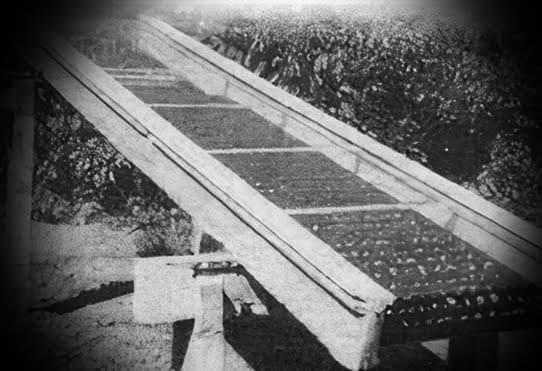
Solar crop dryer
Solar Thermal Energy Technology
- There are two main types of solar energy technologies. They are high grade and low grade heat technologies. The former includes solar cells, solar towers and other concentrators which require a large expenditure. On the other hand low grade solar thermal applications like crop drying, water heating, water distilling and cooking use simple technology well within the resources available in the country and easily acquired by the Centre. It was, therefore decided to work in this area.
Solar Water Heaters
- There has been a demand for solar heaters for use in houses and hotels. The imported units were costly and technology was developed to manufacture them locally. The centre was able to develop a solar water heater with a very good performance and able to compete with imported units. A license was granted to a local manufacturer who has been manufacturing and selling the NERD Centre solar water heater quite successfully for a few years. R & D at the centre also produced an integrated solar water heater where the absorber plate was integral with the storage tank. It had a higher efficiency than the conventional unit where the water tank and the absorber were separate. It was also cheaper but had the drawback of having a slightly higher night loss. It was, however, suitable for application where the hot water was not required before sunrise. Another successful application of this technology was the preheating of boiler feed water in an industrial complex. A significant fuel saving was achieved.
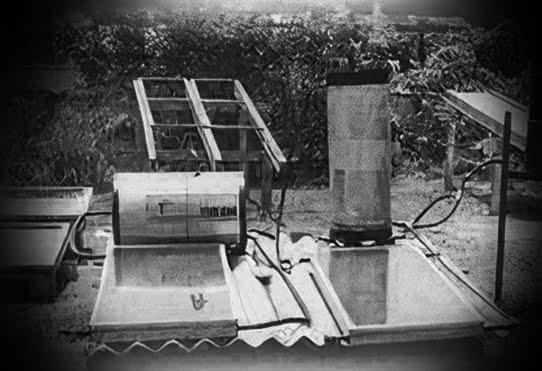
Solar water heater being tested
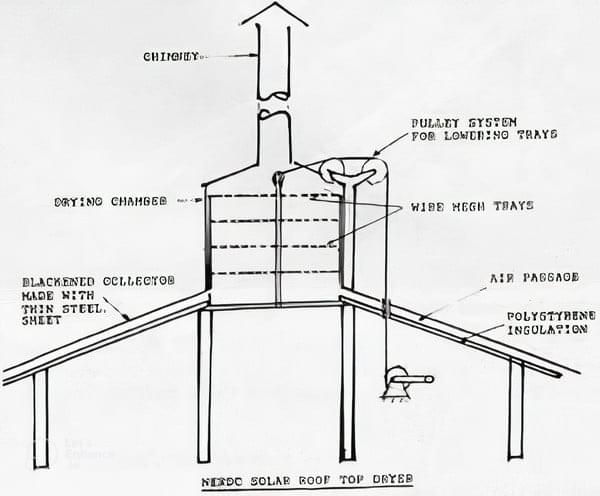
Solar Crop Drying
- An important application of low grade thermal energy is agricultural drying. A large amount of agricultural crops suffer damage due to inadequate drying. The present practice of open air drying is not at all satisfactory as the crop being dried is subject to contamination. It has also to he removed or covered up during rain. The drying area required is also very high. this subject was investigated and a new concept of solar drier was developed. Initially it was meant for the drying of coconut to produce desiccated coconut from coconut small holdings without having to take the nuts to the desiccated coconut mills. The drier consisted of corrugated iron trays 4 ft. long and 2 ft. wide on which the scraped coconut to be dried filled the troughs of the corrugation with the crests left exposed. They were placed under the glass top and supported on ledges of the longitudinal frame members. These trays could slide in and out of the drier which was oriented in a North South direction and inclined at approximately with the northern end being higher to give the slope. This was to get the optimal energy collection in a 7″ latitude.
- he trays were inserted from the lower end of the drier which had a length of 12 ft. to accommodate three trays. As the coconut dried, the trays were removed from the upper end and fresh trays inserted from the lower end. The drying capacity of the drier was approximately two coconuts per square foot per day under normal dry weather conditions. This was higher in the dry zone. Another development from this drying process was the manufacture of white coconut oil having a low free fatty acid content without chemical treatment. Only the white portion of the kernel was scraped and used for this purpose as it was discovered that it is the brown crust that mainly contributed to the free fatty acid. A sample of white coconut oil, in the Author’s possession, which was produced about eight years ago is still in good condition without any rancidity. This solar drier has been used for the frying of fruits, vegetables, fish and various grains covered by the material to be dried. The troughs of the corrugations are filled with the material, leaving the crests exposed to the solar radiation and the drying action is by conduction of heat from the heated surface. The glass cover also contributes to the performance by trapping the heat from the solar radiation.
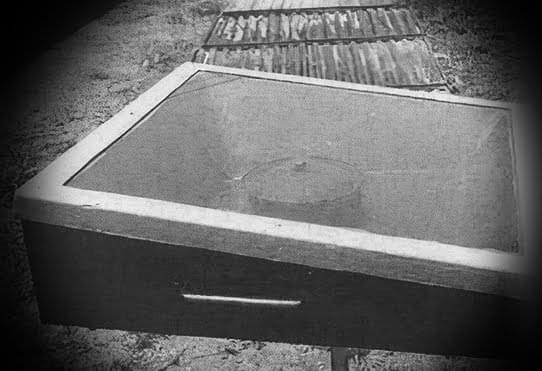
Solar hot-box cooker
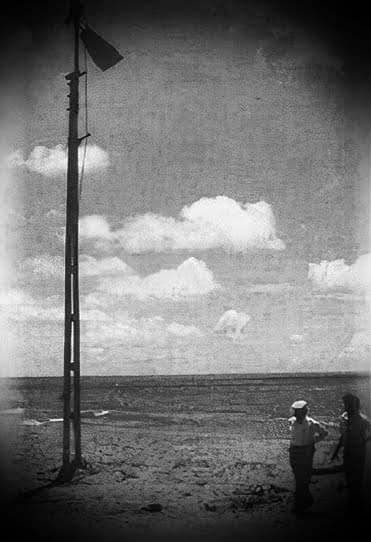
A battery charging; windmill on the sea coast
- Another solar device developed was the hot box cooker incorporating new features. One was the elimination of the mirror and limiting the glass to one as experiments carried out at the Centre indicated that the second did not contribute significantly to the efficiency of the cooker under the conditions prevailing in Sri Lanka. Technology was also developed for the manufacture of large parabolic mirrors for concentrator type cookers. The practice had been to use small pieces of flat glass mirrors glued to the inside of a paraboloid shell, but the concentration of such mirrors was not satisfactory. Another technique was to use a reflecting aluminized “Mylar” sheet to form the reflecting surface, but this was found to deteriorate in use. The technology of making parabolic glass mirrors like those used in searchlights was not available in third world countries. Therefore a simple technique for this purpose was developed at the Centre using certain facilities available there. It consisted of a fabricated steel mould and a wood gassifier fired oven in which the temperature could be controlled. The mould was covered with a sheet of glass, cut to a circular shape, and inserted into the oven and the temperature was raised slowly till the glass softened and sagged to the shape of the mould. Thereafter the oven was allowed to cool slowly. The mirror so formed was silvered by a mirror manufacturer. This produced an accurately shaped paraboloid mirror which gave very good concentration enabling a meal to be cooked very fast when placed at the focus. If a pressure cooker was used the cooking could be completed without tracking the sun.
Water Pumping using wind energy
- It was realized that Wind Energy is a very appropriate source of renewable energy that is available and there are many applications where it could be used effectively and economically. These applications are water pumping for lift irrigation and water supply and for pumping of sea water into salterns and the generation of power.
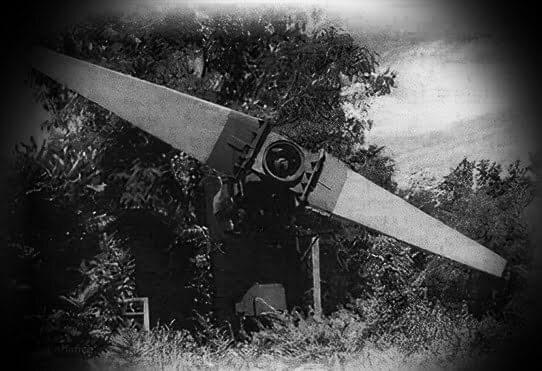
A 25ft. diameter wind rotor for power generation, capacity 15 KW. awaiting erection on the tower.
Water Pumping using wind energy
Wind energy had been used for pumping of water for a long time but even the most popular device, the “American Farm Type” wind mill also has certain unsatisfactory features which have to be eliminated. They are,
- The efficiency of high solidity slow speed rotors is very low.
- The crank and long pump rod combined with the piston-type pumps are difficult to maintain.
- The cost is high.
- In the case of pumping from deep wells the windmill has to be located at the well itself.
- R & D work at the Centre resulted in the development of a wind mill system with innovative features that eliminated these difficulties. It consists of a pneumatic water piston pump immersed in the water and supplied with compressed air by a compressor driven by a high efficiency aerofoil type wind rotor directly coupled to the compressor shaft. A pneumatic valve controls the air supply to the pump. The sequence of operations is as follow. The pump chamber, is hung from the delivery pipe in such a way that it can move up and down about 2 inches, the movement being caused by the change in buoyancy of the pump chamber. When the chamber is filled through the inlet valve, the loss of buoyancy makes it move down switching the pneumatic valve to admit compressed air to the top of the pump chamber. This forces the water out through the delivery valve. The emptying of the pump chamber makes it buoyant resulting in an upward movement which switches the pneumatic valve to cut off compressed air to the chamber and connect it to exhaust. Thus the pumping action continues as long as compressed air is supplied to the pump. Pumping from deep wells is possible, the depth depending on the pressure of the compressed air supplied. It is a completely new concept in wind mill pumping of water which has eliminated the difficulties associated with the popular American farm type pump in which these difficulties have persisted in spite of continued efforts to solve them. The novel system has eliminated pump rods, cranks and pistons and, allowed the location of the windmill in the best position. It uses a high efficiency wind rotor coupled to a highly reliable compressor and reduces the overall cost by a large margin.
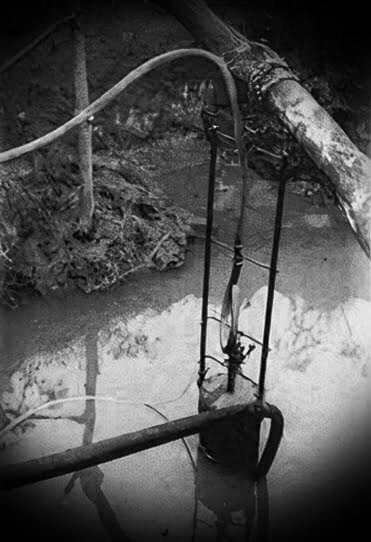
Pneumatic water piston pump operated by a windmill-driven air compressor
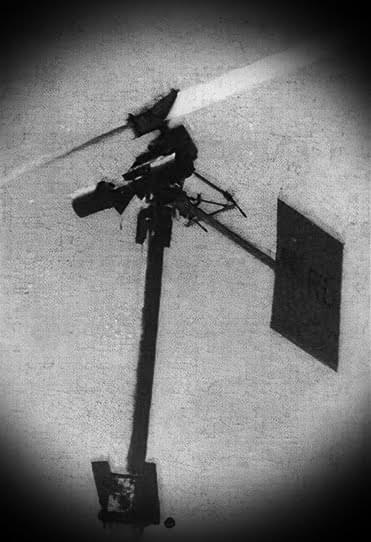
Battery charging windmill generator developed at the NERD Centre
Wind Power Generation
- Generation of electrical power using wind mills has been successful in recent years and some developed countries have built wind mills from about 250 KVA to 3 MVA which have been connected to the National Power Grid. However, small wind electric generators in capacities from 100 to 5000 watts also serve a useful purpose for bringing electricity to homes in remote areas which will not be served by the power grid for a long time. The need for electric lights for these homes was satisfied by the low voltage flouresant lights powered by small automotive batteries. This system was developed over fifteen years ago at the NERD Centre as a cheaper and safer alternative to the kerosene oil lamp. Licencees of the NERD Centre, who were given every support and training were quite successful in manufacturing and marketing these fluorescent lights. There is a large number of these small manufacturers throughout the country some of whom have been very successful.
- This popularity of the system created a demand for a means of charging the batteries at village level. This has been satisfied by mains operated chargers, small engine driven generator sets, micro hydro power plants and wind mill power generators. A special windmill was developed for this purpose. It consisted of a high tip speed, high efficiency aerofoil type of rotor carved out of light timber and covered with a fibber glass skin, coupled to an alternator with a permanent magnet rotor. This alternator was also manufactured at the centre using imported permanent magnets for the rotor. The stator was made using imported punched laminations. It was possible to produce these generators at a cost much lower than those imported from outside. The electronic control system was also produced at the centre. The complete systems in capacities of 100 and 200 watts, 12 Volt D.C. for battery charging have been quite successful and their capacity has been adequate for the lights as well as radio sets and even battery powered TV. sets. The windmills have given reliable operation even in light winds. This is especially suitable for operation in remote coastal fishing villages.
- The normal reverse power relay is an electronic device which operates by sensing the phase sequence. It has to be imported at high cast. A very much cheaper device based on a household electricity meter was developed based on the fact that the direction of rotation of its disc depends on the direction of power flow. When the power flow reverses the disc tends to turn in the reverse direction and operates a switch which disconnects the machine from the grid. This was tested on induction generators at the centre showing reliability in operation. The cost of a unit is under two thousand Rupees compared to a conventional unit which costs over twenty five thousand Rupees. These technologies have been available for exploitation at low cost.
Mini and Micro Hydro Power
- Mini and Micro hydro power plants were in existence in the hill country to provide shaft power sand lights to the tea factories and estates before they were replaced with diesel generators and later on with power from the national grid. There was a case for the rehabilitation of the disused power plants and also to use the large number of unexploited sites still available. The NERD Centre undertook R & D work to develop suitable power plants that could be manufactured locally at low cost. After studying the various alternatives available for the turbines, the Bank cross flow turbine was selected in view of its simplicity and its efficiency under varying load conditions. It also covered a large range of flow – head conditions normally covered by both impulse turbines and reaction turbines combined.
- This work resulted in the development of a cross flow turbine which could be used for capacities from 100 watts to about 100 K.W. The turbine casings for the larger machines were manufactured in concrete. This could be polymer concrete for smaller machines and cement concrete for larger machines. The 100 to 200 watt machines were coupled to permanent magnet generators for battery charging. The larger machines used synchronous generators but induction generators were used when they were connected to the grid. The latter arrangement was very economical, as the normal speed control governor was not needed, the speed control being effected by the grid. This arrangement was been very successful in a demonstration plant of 30 KVA installed at Ingurana. This supplies the grid using reverse power relays to prevent motoring. A device to prevent the turbine running at ‘run away’ speed was also developed and fitted to this machine. This plant has been running continuously for more than five years without any major problems.
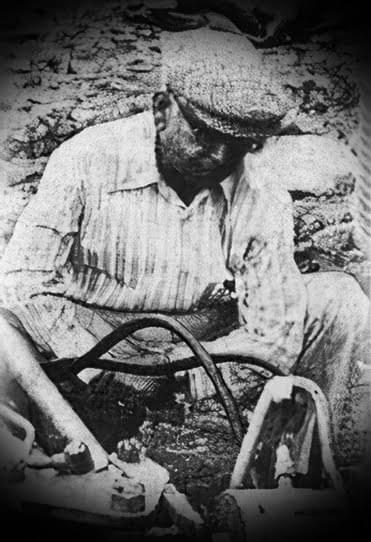
Micro hydro power plants were developed at the NERD Centre
Biomass Energy Technology
- It has been well known that biomass is a plentiful source of energy and it is fully renewable if energy crops are grown. If trees are grown to replace those that are cut down, there is no net addition of C02 to the atmosphere. It is also an economical source of energy compared to fossil fuel which has to be imported to the country. These facts were clearly realised some years ago and a R & D programme was initiated to develop technology for utilization of this resource. The work was divided into two broad areas. They were anaerobic digestion of biomass to produce bio gas and wood gassification to produce a combustible gas. (producer gas).
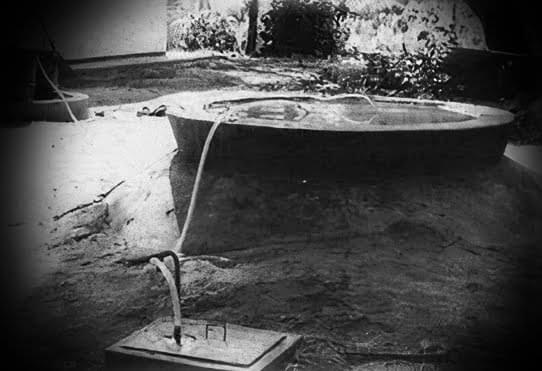
Micro hydro power plants were developed at the NERD Centre
Anaerobic digestion of biomass to produce biogas and fertilizer
- Anaerobic digestion had been used traditionally for producing biogas from cow dung and other faecal matter but there had not been much success with the digestion of biomass as the wet process as used in traditional digesters was used for this purpose. Experiments were carried out to find solutions to problems associated with biomass digestion. The first feed material used for this purpose was rice straw. It was tried out in a traditional digester feed material used for this purpose was rice straw. It was tried out in a traditional digester with cow dung dissolved in water to provide the initial bacteria. The straw mixed in this liquid was used to charge a digester but it started floating up and forming a dense layer which prevented gas generation. This led to trials in which the straw was wetted with the cow dung water mixture before charging the digester without any more water. This formed a relatively dry batch in which the straw got digested satisfactorily producing biogas at the same time.
At the same time, small scale laboratory experiments were carried out to determine digestion period, gas yield variation with time, and changes in ambient temperature. The results indicated that digestion was almost complete and gas yield dropped to low levels after a period of six months although gas yield continued at a diminishing rate for over 24 months. It was therefore decided to adopt a retention period of six months after which the lid of the digester was opened and the digested material, which turned out to be an excellent fertilizer, was removed from the digester. The type of digester used was a cylindrical chamber with a domed roof that had an opening, for charging the digester, sealed with a concrete lid, and made gas-tight with puddled clay kept moist with about 4 inches depth of water which also provided a water seal. This dry batch system, for which a patent was obtained with the Author and two of his colleagues as the inventors, has been highly successful and is now known popularly as the “NERD Dry Batch System”. This is a novel system introduced to the world by Sri Lanka.
- It was found that if the straw from one crop of a paddy field was used in a digester, the resulting fertilizer satisfied the requirements of that paddy field. Every application of this fertilizer improved the fertility of the field. Since the cropping cycle is six months for rice. the digestion cycle fits into it enabling the digestion of straw from one crop to provide the fertilizer of another crop. In the meantime the farmer gets biogas which is sufficient for his cooking and lighting needs. The use of this system makes it possible for a farmer to save the expenditure on fertilizer which can amount to about six thousand Rupees per year per acre. Another useful feature is that the liquid that collects at the bottom of the digester is a good pesticide. Experiments were carried out at the centre using other feed materials like weeds, including water hyacinth, vegetable market garbage and grass. This has been quite successful and this process has been used for the demonstration unit with four 30 ton digesters to take vegetable garbage from the Manning Market in Colombo. It is operating satisfactorily with the biogas being used to operate a diesel generator set in which more than 80% of the diesel fuel is replaced by the gas. This dry batch system of anaerobic digestion has a great potential of application for the solution of problems in the third world.
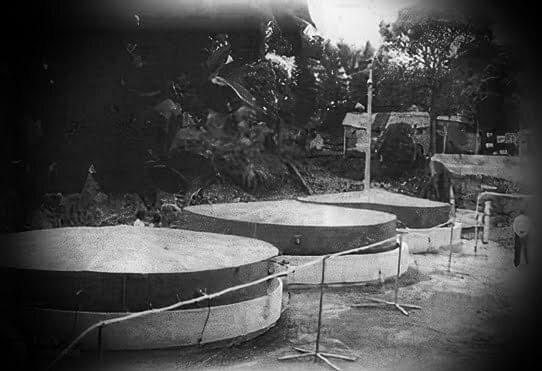
Semi-dry batch type anaerobic digester of 30 ton capacity/or digesting vegetable waste from Manning Market, Colombo.
Biomass Gassification
- Technology for wood gassification has existed for a long time. It was used even during the Second World War in some countries in Europe when supplies of petroleum products became almost unobtainable. Wood gassifiers were in common use during this period, especially for fuelling vehicles. This technology was forgotten when petroleum products became available again. However interest in this subject was revived during the fuel crisis in the seventies. Its importance to a third world country like Sri Lanka was realised by the Author who started R & D work at the NEERD Centre. The progress of this work was not satisfactory, and the Author started work in his own R & D facility at Batagama Estate in Ja-ela. Some of the work was carried out at a Motor Garage in Kochchikade where he spent the weekends and evenings in testing, modifying and further testing. Funding for this work was entirely by the Author.
- These gassifiers were developed to a stage where they could be used to fuel spark ignition engines. The Author’s High Ace van was the first vehicle to be fuelled by a gassifier manufactured locally. After the technology was developed to a stage where most of the difficulties were solved it was brought to the Centre for its use in various applications. It become known at this time that a Swedish organization in association with the Marga Institute had planned a conference and workshop to teach the third world countries in this region “how to use gassifiers and part manufacture them in four years”. NERD Centre was not officially informed of the conference, although it was the only institution in this country working on wood gassification. There was only six months left for the conference to take place and a crash programme was launched to accelerate the work at the Centre so that a number of applications could be demonstrated at the Centre as part of the conference. When the participants visited the Centre it was possible to demonstrate the following applications.
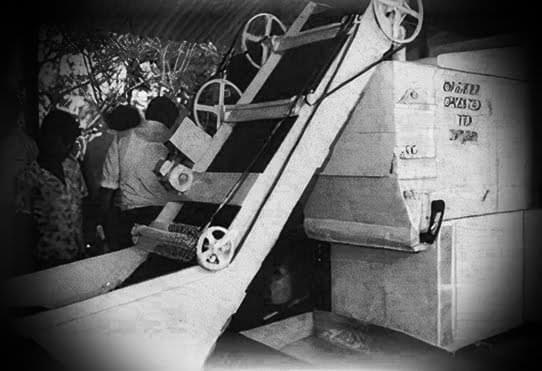
Gassifier operated Tea Dryer
- 7.5 KVA petrol engine generator fuelled by a gassifier
- 22.5 KVA diesel generating set fuelled by gassifier
- 2″ Irrigation pump with petrol engine fuelled by gassifier
- 6″ pump with petrol engine fuelled by gassifier
- 18 ft. fishing boat with engine fuelled by gassifier
- Toyota Hiace Van with gassifier (belonging to the Author).
This was a surprise to the organizers and those experts who came to teach us how to operate gassifiers. Further work was carried out at the Centre to apply this technology in the following application.
- Driers for tea and coconut
- Non-ferrous foundry furnace
- Domestic and industrial cookers
- Steam boilers
- Billet heating furnace of steel rolling mill
- Spark ignition engine driven generators 20 KVA – 100 KVA
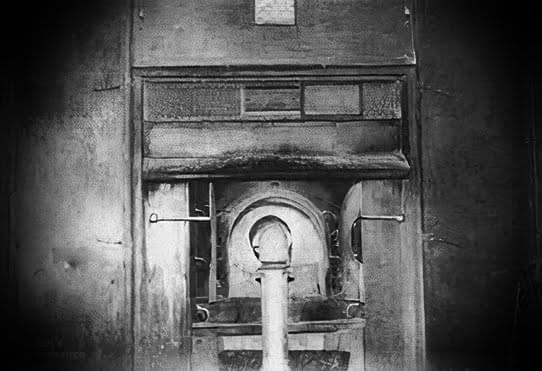
Hot air generator of Tea Dryer with burner fed from falsifier.
Producer gas flume in Tea Dryer
Driers for tea and coconut
- Down draft gassifiers with throat sizes of 8 inches and 10 inches were manufactured and used in driers for tea and coconut in which the air heaters used producer gas (wood gas) burners with automatic and manual temperature control. These were highly successful and used in several tea factories reducing the fuel wood consumption to 50% of that in log fired air heaters. The ability to maintain a constant temperature of the hot air resulted in improved quality of tea. Trials carried out in coconut driers also gave similar results. An air heater using thin walled heat exchanger tubes with the flue gases at a lower temperature, 400°C instead of the 1000°C in conventional air heaters resulted in higher heat exchange efficiency, lower cost and eliminated tube bum out. This is a novel concept in heat exchanger design of air heaters.
Non ferrous foundry furnaces
- Small non ferrous foundries constitute a useful industry to provide castings for light industries, and to produce a large number of articles in aluminium and brass. The difficulties faced by this industry were the high cost of liquid fuel and the short life of crucibles. The solutions to both problems were provided by the wood gassi-fier operated foundry furnace. The wood gas burner flame impinged directly on the charge of metal and not on the crucible. Normally the crucible is heated from outside and the heat is transferred by the crucible to the metal being melted. The crucible is therefore heated to a much higher temperature than the melting temperature of the metal. In the case of the novel producer gas fired furnace, the metal is heated directly by the flame resulting in the crucible having a lower temperature and thereby having a much longer life. The direct heating of the metal requires a lower quantity of heat energy, thus reducing the fuel consumption using wood gas, instead of liquid fuel, reducing fuel cost further.
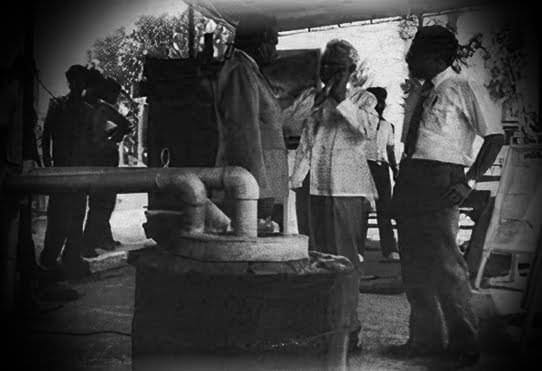
A wood gassifier operated foundry furnace for non-ferrous metal.
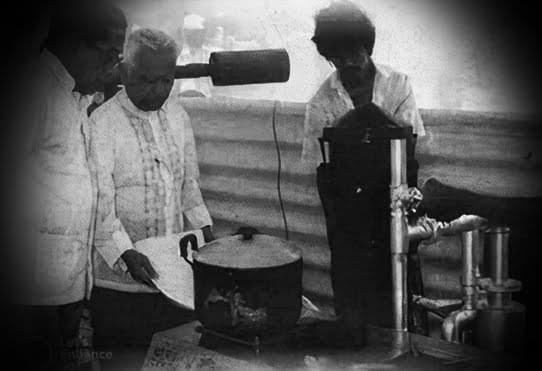
A wood gassifier operated foundry furnace for non-ferrous metal.
Domestic and Industrial Cookers
- Small gassifiers were used to fuel these cookers, in which the burners were similar to those of L.P. gas cookers. The fuel costs were lower than when using traditional firewood cookers and cooking could be done on a smokeless flame. It was highly suitable for industrial cookers especially to replace normal firewood cookers in hotels, restaurants, and ayurvedic drug factories.
Billet heating furnaces in steel rolling mills and boilers
- Gassifier operated burners can replace liquid fuel burners resulting in reduced fuel costs. When applied to wood fired boilers, the fuel consumption could be reduced to half and in oil fired billet heating furnace wood gas burners can reduce fuel costs by half. These results were obtained from actual tests.
Spark ignition engine driven generators 20 KVA to 100 KVA
- Several generators in the range 20 to 100 KVA were tested with wood gas operation giving successful operation with large reductions in fuel costs.
Large Baking Ovens
- Wood gas firing of large baking ovens of the traditional type normally using wood firing resulted in the reduction of fuel costs to about 40% and cleaner conditions in the oven which is normally contaminated with wood ashes.
Wood Gassifier Operated Crematoria
- Cremation of the dead has been carried out using funeral pyres involving a large expenditure which was beyond the reach of most of the people of the country. Reduction of the cost of a cremation was a long felt need. The author carried out R&D at the NRRD Centre to develop a gassifier operated crematorium with the objective of reducing the cost of a cremation to the same level as that for a burial.
- The crematorium developed consisted of a combustion chamber made of brickwork with producer gas burners to provide the heat. A gassifier using firewood supplied the gas for the burners. The first crematorium, constructed in Udammita, Ja-ela, was a complete success enabling people from a large area to cremate their dead in this crematorium. The firewood consumption for each cremation was only about 100 kg enabling the ‘Pradeshiya Sabha’ to provide this service at Rs.l000/= per cremation as against about Rs.10,000/= required for a funeral pyre. With the success of the Udammita Crematorium a number of similar installations have been carried out in other parts of the country.
Problems met with in the use of gassifiers
R&D work in the field of gassifier technology involved the solution of a number problems. They were,
- Arching of fuel above the hearth zone. This was solved by tapering the fuel hopper inwards towards the top and in the case of fuel like chopped coconut husk which does not flow freely, a removable heavy disc placed on top of the fuel was the solution. These were novel solutions to these problems.
- Condensed moisture dropping on the fuel, thus increasing its moisture content. This was solved by using a tapered and perforated inner liner inside the hopper. The fuel was prevented from arching by the taper of the liner and the moisture passed through the perforations condensed on the outer wall and flowed along it to a collecting tank at the bottom.
- In the case of shaft power applications the gas had to be cooled and filtered. The sequence was to filter it first and cool it thereafter which required heat resistant filter material like glass cloth which was both costly and difficult to obtain. This was overcome by cooling the gas first and filtering thereafter which allowed the use of filter cloth made of cotton and synthetic fiber.
- When vehicles with spark ignition engines are converted to run on wood gas there is an inevitable reduction in power which can create difficulties when accelerating and when climbing hills. This was corrected by feeding a gas obtained by gassificalion of kerosene oil when this extra power is needed. This was a novel solution to this problem.
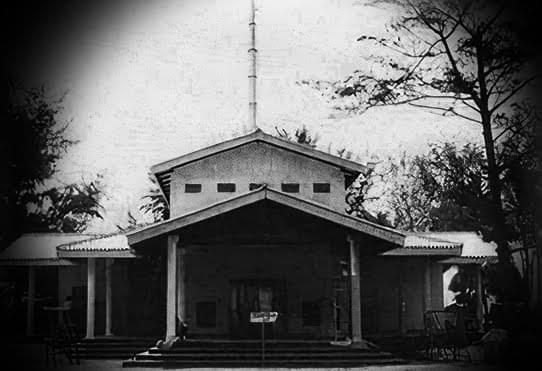
Typical gassifier operated crematorium
Saw dust and rice husk fired Baking Ovens
- Traditional baking ovens for baking bread consume a large amount of firewood with the added possibility of contamination from the ashes and smoke from the firewood. Experiments were carried out at the NERD Centre with small baking ovens using rice husk and saw dust as the fuel.
- Traditional baking ovens for baking bread consume a large amount of firewood with the added possibility of contamination from the ashes and smoke from the firewood. Experiments were carried out at the NERD Centre with small baking ovens using rice husk and saw dust as the fuel.
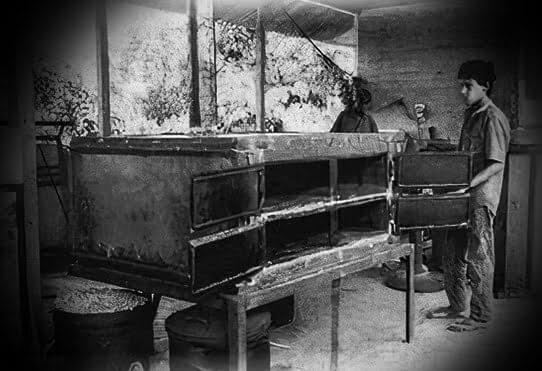
Bakery oven fired with saw dust or rice husk, with a capacity of 128 one pound loaves per hour.
Saw dust and rice husk fired Baking Ovens
- The baking oven finally developed consists of two or three baking chambers round which hot air is circulated to give a temperature of about 250°C inside the chamber. The hot air is provided by a large version of the traditional saw dust cooker known popularly as the “Kudu Lipa”, which consists of a cylindrical container in which saw dust or rice husk is packed leaving a small hollow in the centre of the packed fuel from top to bottom. Another hole at the bottom is formed horizontally to connect the central hole through the wall of the container. The lighting of the fuel is done by a lighted piece of firewood. The temperature of the hot air is controlled by pushing the piece of firewood in and out. A thermometer mounted on the door of the baking chamber enables the required temperature to be maintained. The standard model of this oven is 4 ft x 4 ft x 3 ft high having a capacity of baking sixty four standard one pound loaves of bread in half an hour thus giving it a production capacity of one hundred and twenty eight loaves an hour. The cost of fuel is about five cents a loaf whereas the cost of firewood in a traditional oven is about forty cents per loaf. The operation is continuous enabling freshly baked bread to be available throughout the day. The original cost of such an oven about six years ago was Rs.22,500/=.
RESEARCH & DEVELOPMENT CARRIED OUT BY THE OTHER OUTSIDE THE INSTITUTIONS MENTIONED
Low Cost Construction Technology for building construction:
Certain technologies developed by the Author in his own R&D facility were introduced for exploitation by the NERD Centre during the period of his Chairmanship of the centre. One was his patented system of wall construction by slipforming a compacted mixture of a lean dry mix of crusher dust and cement in a slipform specially developed for this purpose. No reinforcement is used and the reaction of the lifting jacks is taken on the compacted wall itself through a spreader.
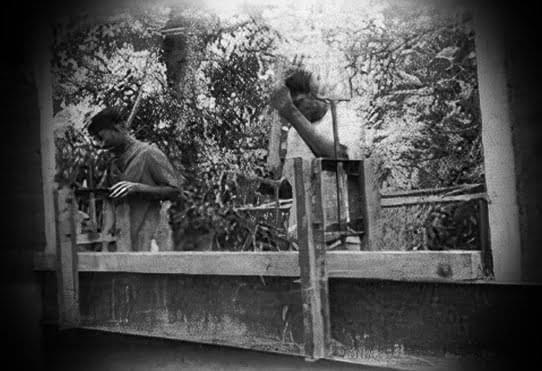
Use of slip-found in construction of unreinforced low-cost walls
This prevented the normal horizontal cracking due to the tractive force of the slipform on the compacted wall. Sometimes this reaction from the jacking force on the wall at the top of the 12 inch deep shutter and the compacting force imposed by the percussion type compactors resulted in the still green wall exposed below the form bulging out and collapsing. This was corrected by mixing a small quantity of chopped coir fiber in the cement crusher dust mix. This was quite successful and forms the key to the success of the system. The slip formed wall required no plaster in view of the smooth finish obtained. The mix used is one of cement to twelve of crusher dust. The slip formed walls spanned from column foundation to column foundation acting as a deep girder.
- The “Deep Girder Theory” was used to design the walls and adopted after extensive testing. This has reduced the cost considerately as the traditional continuous strip footing is eliminated between columns. The bottom reinforcement for the deep girder wall is limited to two 3/8″ inch diameter reinforcing bars embedded in a 2 inch thick concrete forming the bottom of the wall, which replaces the traditional R.C. plinth beam. Composite action between the two inch thick concrete bottom and the wall ensures deep girder action of the wall panel. In the case of reinforced concrete framed multistorey structures the slip-formed wall acts along with the frames to carry the load by composite action thus reducing the size and cost of the frame members. This concept was used to construct a five storey hostel for the Colombo University female students. The cost reduction was about 40% compared to traditional construction.
A new system of composite floor slab construction for buildings:
- Theoretical and experimental investigations into the design and construction of reinforced concrete floor slabs revealed that considerable economy could be achieved by using the composite action between a thin slab spanning between pre-stressed concrete beams (joists) spaced at abut two feet centres. The trapezoidal roof purlin developed in 1968 for the Thulhiriya textile factory was ideal for use as floor joists in the composite slab construction. The design developed consisted of pre stressed concrete trapezoidal beams used as floor joists spaced at two feet centres and a two inches thick slab cast on them with one inch of the joist embedded in the slab.
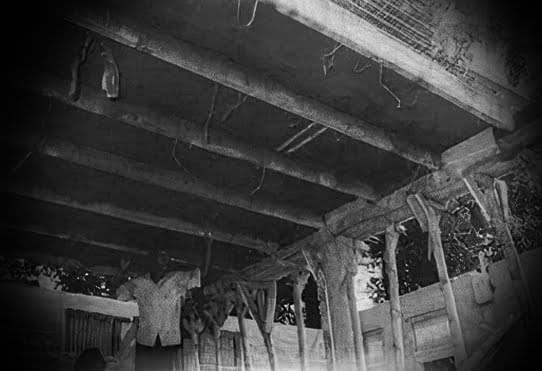
Composite floor slab construction using prestressed concrete joists
- The slab reinforcement consists of a 2 inches square mesh made of No. 10 S.W.G. wires and laid on top of the joists giving a concrete cover of one inch above and below the mesh. The shuttering consists of pre-fabricated frames, to fit in between the joists, and covered with a 1/4 inch thick sheet of plywood. The shutter is hung from the joists with the top of the shutter one inch below the top of the joist. A plastic liner tlaid on top of the plywood gives a high finish and makes stripping of the shutter easier. The shutters could be stripped in twenty lour hours after casting so that the same shutter could be used to concrete a two feet wide strip of slab everyday. A whole floor could be concreted using only two or three shutters.
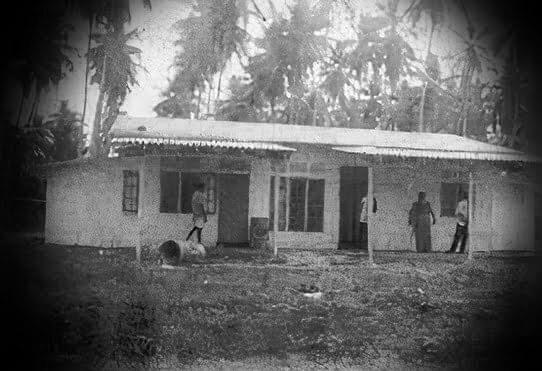
A typical low-cost high quality house
The following advantages have resulted from this system,
- The weight of the floor slab is reduced considerably
- No propping is required for the shuttering
- The finish of the soffit is such that no plaster is required
- The construction is fast
- The cost of the slab is reduced to less than half that of a conventional reinforced concrete slab
- This system of floor slab construction has become very popular and hundreds of houses including multi-storey buildings have been built. The first building constructed using this system was the Ayurvedic Hospital at Galle built in the early eighties.
Frameless Roofs for small span buildings:
- There has been a great need for reducing the cost of small-span buildings like school buildings and small factories. The slip form system reduced the cost of the walls and the foundations by a large amount but the roof remained expensive. The trusses and purlins normally used for roof construction with corrugated asbestos cement roof sheet covering were still costly. Theoretical and experimental investigations carried out showed that the corrugated asbestos cement sheet could be used to form a tied arch of sufficient strength to form the roof. This eliminated the normal framework consisting of trusses and purlins for spans up to about twenty feet.
Walls are constructed using low-cost slip-form system
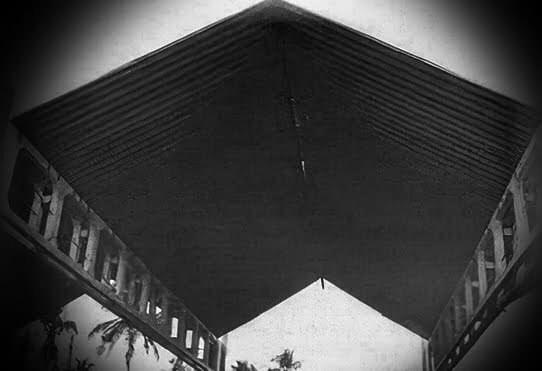
Frameless roof using asbestos cement corrugated sheets joined to form a tied arch
- The required length of the sheet for each side of a pitched roof with a 30′ pitch is obtained by joining two sheets with a lap of one foot. The two sides rest on the wall plate and they are joined together at the ridge by means of flat irons which are attached to the upper end of the sheets through packing pieces which fit the corrugations. The lower ends resting on the wall plates are similarly fixed to them. The two sides form a tied arch, the arch thrust being taken by a 5 mm high tensile wire at about ten feet centres along the wall plate. The columns carrying the wall plates are spaced at about ten ft. centres. This design of roof can be used for houses as well as long as the span is limited to abut twenty feet. A method of attaching a ceiling directly to the roofing sheet has been developed. Loading tests that have been carried out on this type of roof have proved its conditions as well. It is unfortunate that this technology has not been used more widely in spite of the large reduction in cost it can achieve in addition to the complete elimination of timber from the roof.
A novel system of piling:
- A study of the existing systems of piling has shown up certain difficulties and inadequacies. The most common reinforced concrete-driven pile is heavy and difficult to handle, extending it is not convenient, and driving it is noisy. Bored piles require heavy machinery, and the collapse of the sides of the bore cannot be completely eliminated even with the use of bentonite. Necking of the concrete of the pile occurs sometimes during the concreting process. Tubular piles which are normally driven by hammering at the top require sufficiently thick walls to prevent buckling. As a solution to most of these problems, the Author developed two types of thin shell piles in which the reinforced concrete filling inside the casing carries the load. One is the open ended thin shell which is driven and the core excavated by an air lift pump with the hammering device fixed to it a short instance above thecutter blades fixed to the lower end of the air lift pump. The shell of the pile is made in lengths of eight feet with that for the lower end of the pile having a thicker cutting edge with a one inch wide internal ledge above it.
- The pile is driven by pitching the bottom shell into a shallow hole and driving it down using the combined air lift pump hammer which is also made in sections which are bolted together to from the required length. The inside of the shell is kept filled with water as the pumping and driving proceeds. The cutter at the end of the air lift pump excavates the soil which is pumped out by the air lift pump which is raised and dropped repeatedly to effect the cutting of the soil and driving of the shell. The shell is extended as the driving proceeds and when the material being brought up by the pump indicates that the correct depth is reached, the bottom is cleaned and an underwater plug is concreted. After the plug has hardened, the water in the pile is pumped out, and the reinforced concrete is placed “in the dry” giving a reliable, durable pile at a much lower cost than the conventional piles. The noise level while driving the pile is low as the hammer blow is given underground to the bottom end of the shell.
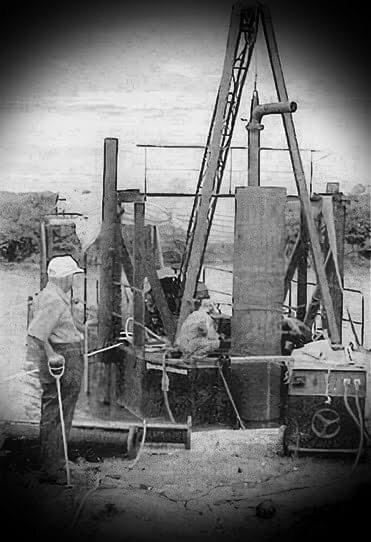
Pile being driven in water according to the new system
- The other type is the driven shell pile which consists of eight feet long shell sections with the bottom sector strengthened at the end to form a driving point. Reinforced concrete is placed inside the shell for a short distance above the pointed end to provide the necessary strength to resist the hammer blows. The bottom length is first pitched and driven by a hammer operating inside and guided by the pile itself. When the bottom section is driven, the pile is extended by welding on one more section and the driving proceeds till the necessary ‘set’ is achieved after which the pile is completed by placing the reinforced concrete inside the shell. The pile is designed to neglect the contribution of the shell for load carrying in view of the possibility of the thin material being subject to corrosion.
These thin cased bored piles of 16 inches diameter were used for a five storey building for the University girls hostel at Bullers Lane where seventy two piles of about forty feet length were driven successfully. Eight inches diameter thin shell driven piles were used recently for a fifty feet span bridge for light traffic built in Akuressa. In both cases considerable economy was achieved by the use of these piles.
A method of increasing the fuel efficiency in internal combustion engines
- The Author has been able to make an important scientific discovery which has the potential of making a very large impact on the quantity of petroleum liquid fuel used in the world. After a few years of research directed towards increase in the efficiency of combustion of petroleum fuels in internal combustion engines, both spark ignition and diesel (Cl) engines, it has been found that thermal cracking of a small percentage about 5%, of the fuel by flash gasification and its injection to the combustion chamber increases the output of the engine considerably without any increase in the consumption of fuel. Conversely, there is a large reduction in the fuel consumed for the same power.
- Annexed table shows the results of a number of tests conducted on petrol and diesel engines of various types. An international patent has been obtained for a method for use of this principle in a number of application of internal combustion engines. The efficiency of fuel combustion increases with time as the gas is continued to be injected into the combustion chamber, and the combustion efficiency reaches maximum value depending on the type of engine and fuel used. The increase in output has exceeded 75% which is equivalent to a fuel saving of over 44% has been achieved in many cases. The surprising feature is that after the engine is run for sometime long with the addition of the gas, there is a permanent improvement in the combustion efficiency even when the flash gassifier is disconnected. The use of this patented system has enabled fuel savings of more than 44%. It is applicable to engines in vehicles, boats, ships, and power stations. The impact it can have on the world’s consumption of petroleum fuels can be enormous.
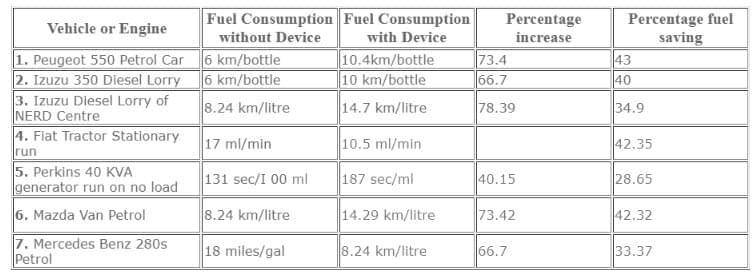
In addition to the above, some important inventions by the Author have to be mentioned. They are,
- A cam rotor pump motor for use in hydrostatic and pneumatic applications and for water pumping.
- A reduction gear using balls or rollers meshing with an internal toothed wheel to give large reductions in speed.
- “Prandtl membrane” panels for assembly of water tanks of various sizes.
- A peristaltic pump in which the pinching roller is replaced by a wooble plate (swash plate).
- A peristaltic pump in which the elastic tube is replaced by an elastic diaphragm.
Conclusion
- The Author has described a number of Contributions to Engineering Research and Development which have resulted in improved engineering practice in a number of fields in Engineering in this country. They have been the result of untiring effort, by the Author as well as by the teams of dedicated Engineers and scientists in the Colombo Port Commission, the State Engineering Corporation, and the National Engineering Research and Development Centre.
- It is a pity that these results have not been fully exploited in spite of their potential in assisting the development of the country. It is hoped that they will be used in future.